Ski
Stories
Stories
Men's
Men's
Women's
Account
It’s no lie that, as outdoor enthusiasts who take our recreation into remote backcountry, we carry an unspoken agreement that we’re stepping into scenarios far from help. Recreation offers so many dynamics for us to explore; our physical abilities, finding comfort in crisis, reconnecting our feet to the ground, clearing our minds with the sound of water, and creating new challenges that remind us we’re breathing.
When you become part of a small community of backcountry recreationalists, you begin to see how wild the wilderness can truly be, and that we are guests among the more powerful elements in the mountains, canyons, rivers, and trails.
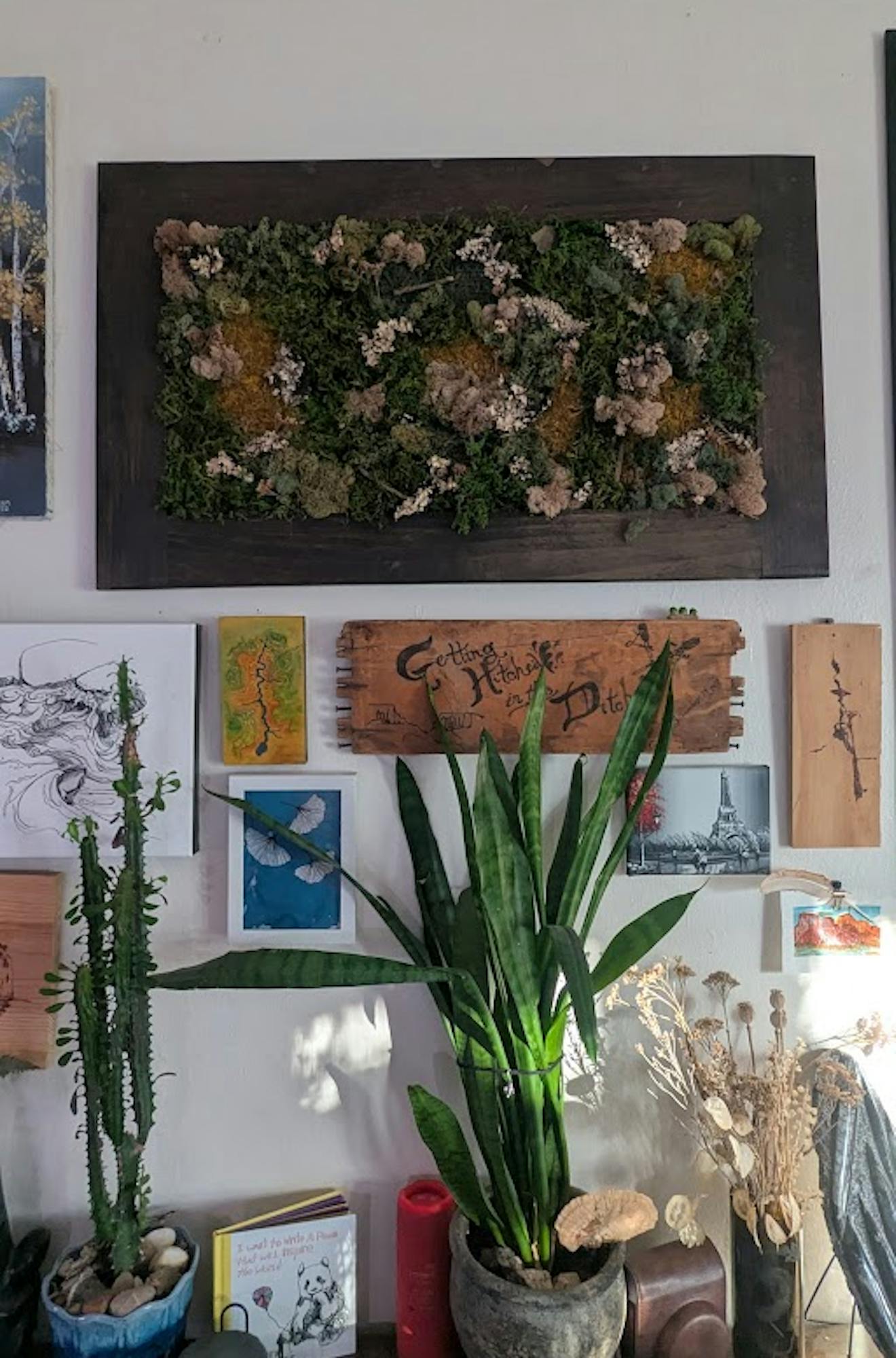
For a long time, I would wander through canyons, rivers, and ridgelines, honing in on small features that caught my eye. A piece of chert found on the trail, some Old Man’s Beard and Greenshield lichen at the ski resort after a windy snowstorm, driftwood floating past my boat, animal remains and snake eggs in a slot canyon- these things I’d carry with me through the rest of my time in those places and eventually bring home. Including a piece of a beehive box I found on the Colorado not long after I got engaged at Lava Falls. I tried to be selective, not disturbing ground where vegetation had grown over or breaking anything from a living plant. Everything I collected was along established trails or in washes where past floods had brought things down. I can’t help but think of all the things we walk right by, not knowing how long some piece of history has rested not far from where people roam.
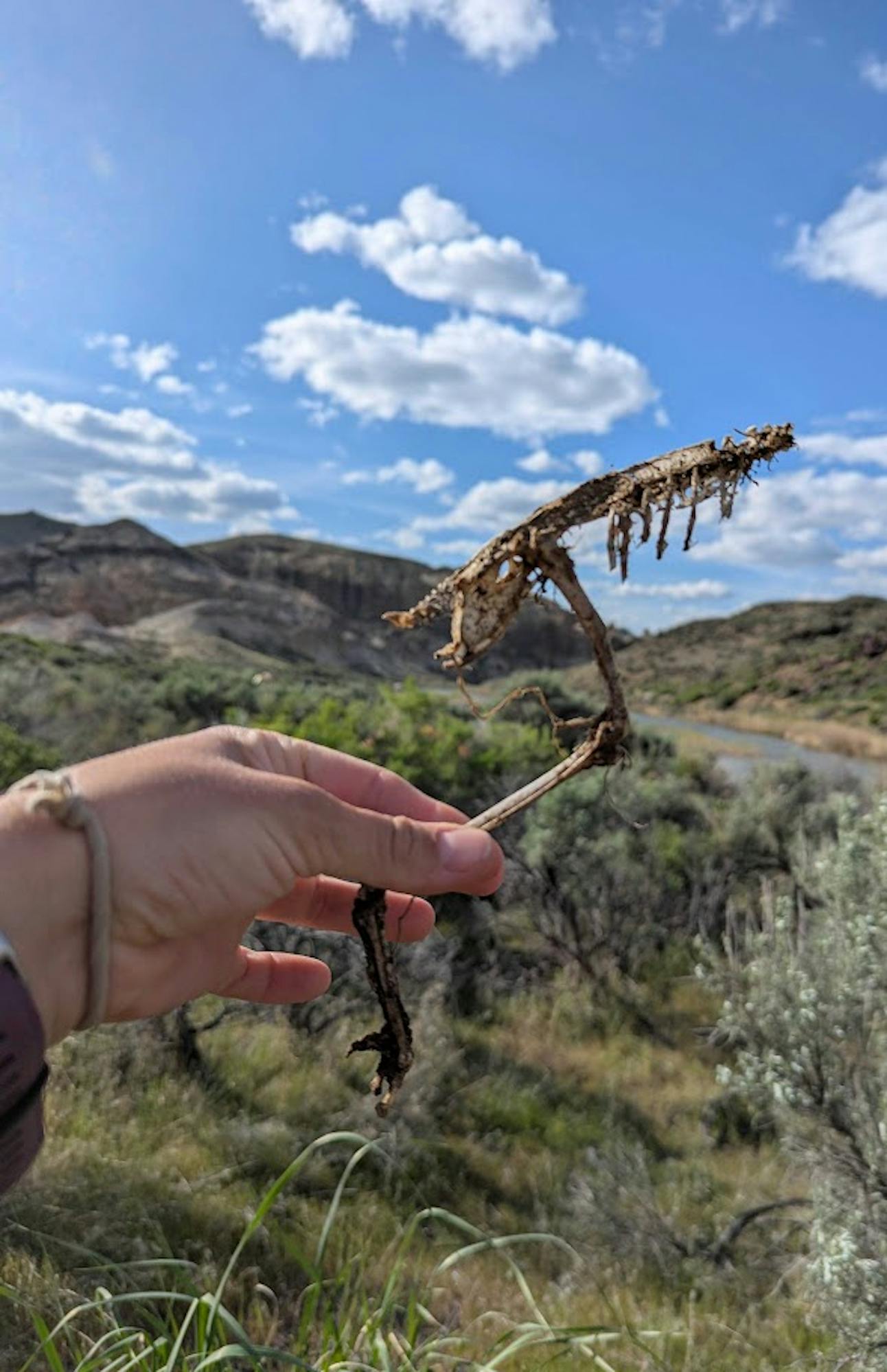
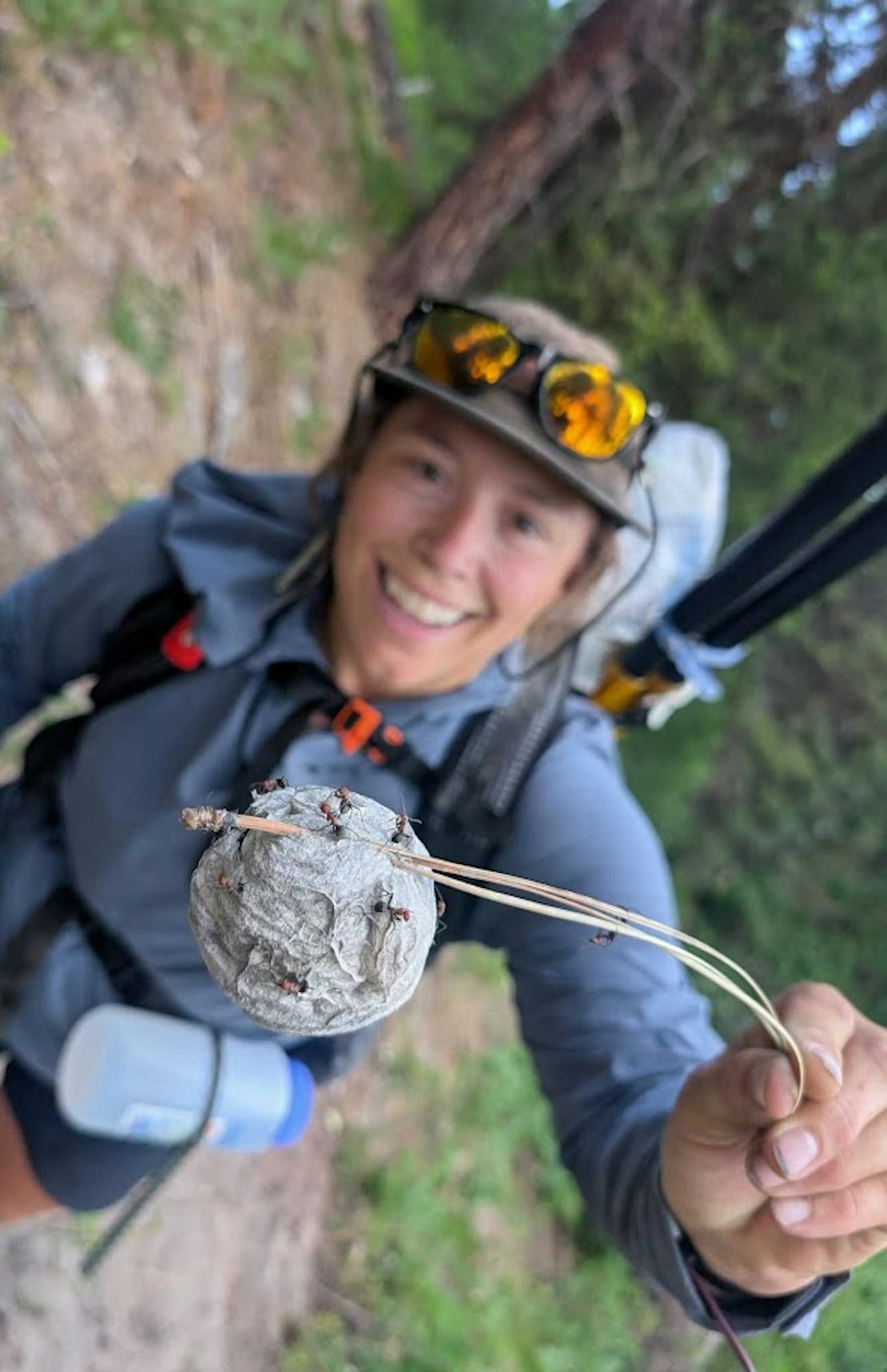
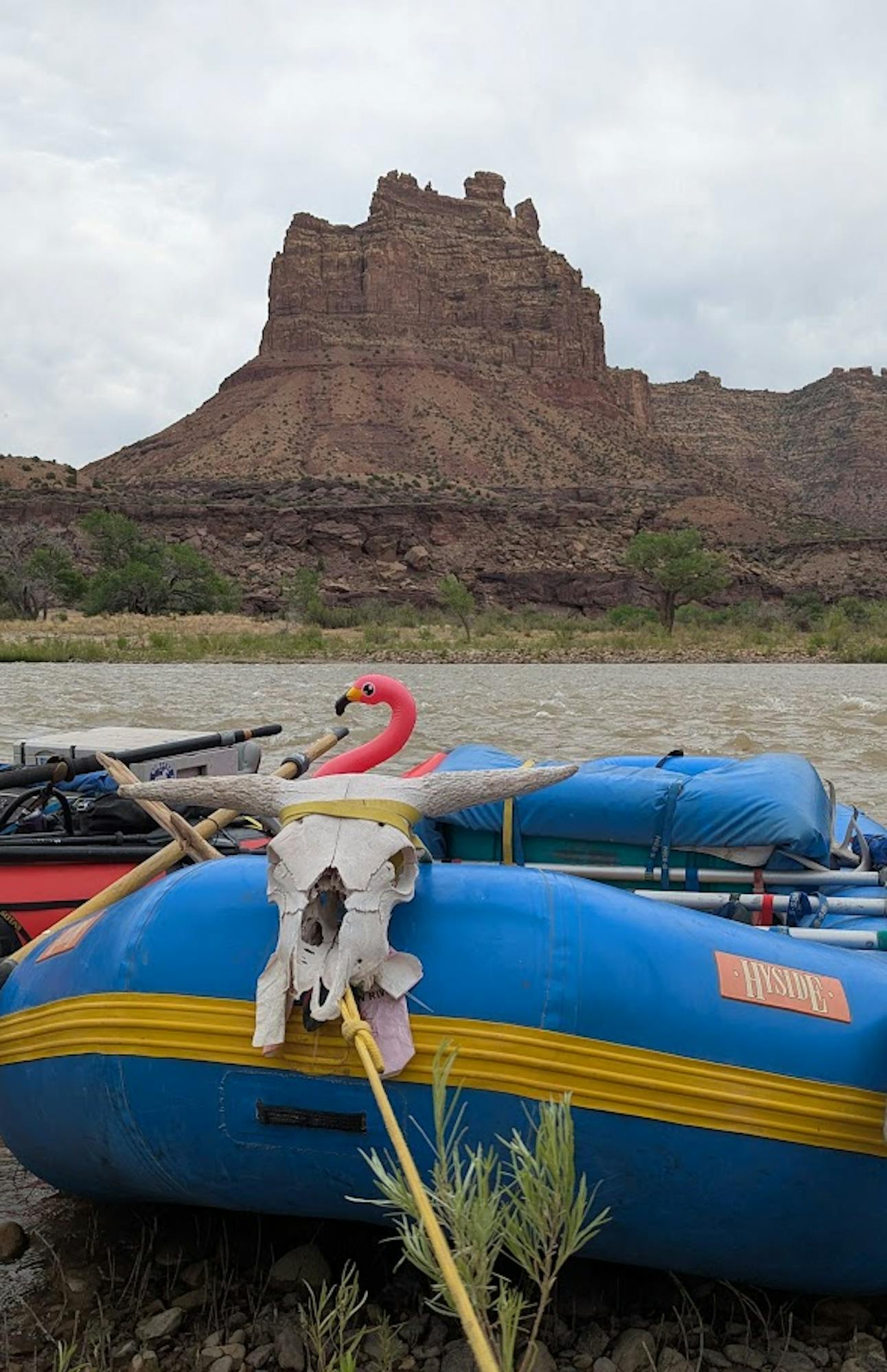
Once I had an overwhelming collection of bones, driftwood, rocks, rejected wasp nests, and lichen, I began thinking about how to create more with them. As a child, I loved finding rocks that looked like animals or continents—whatever my imagination found in them. In grade school I had a series of rocks that looked like an eagle’s head, Africa, a heart, even one that was just shaped like a rock. I went through many backpacks because I’d drag home rocks on my walk from school. And I can’t say how many “walking sticks” my parents eventually tossed after I brought them home from hikes in the Wasatch. I played in my dad’s garden with the head-sized rocks he used to border the produce. Instead of a dollhouse, I made rock habitats for my Jurassic Park toys inside a shoebox.
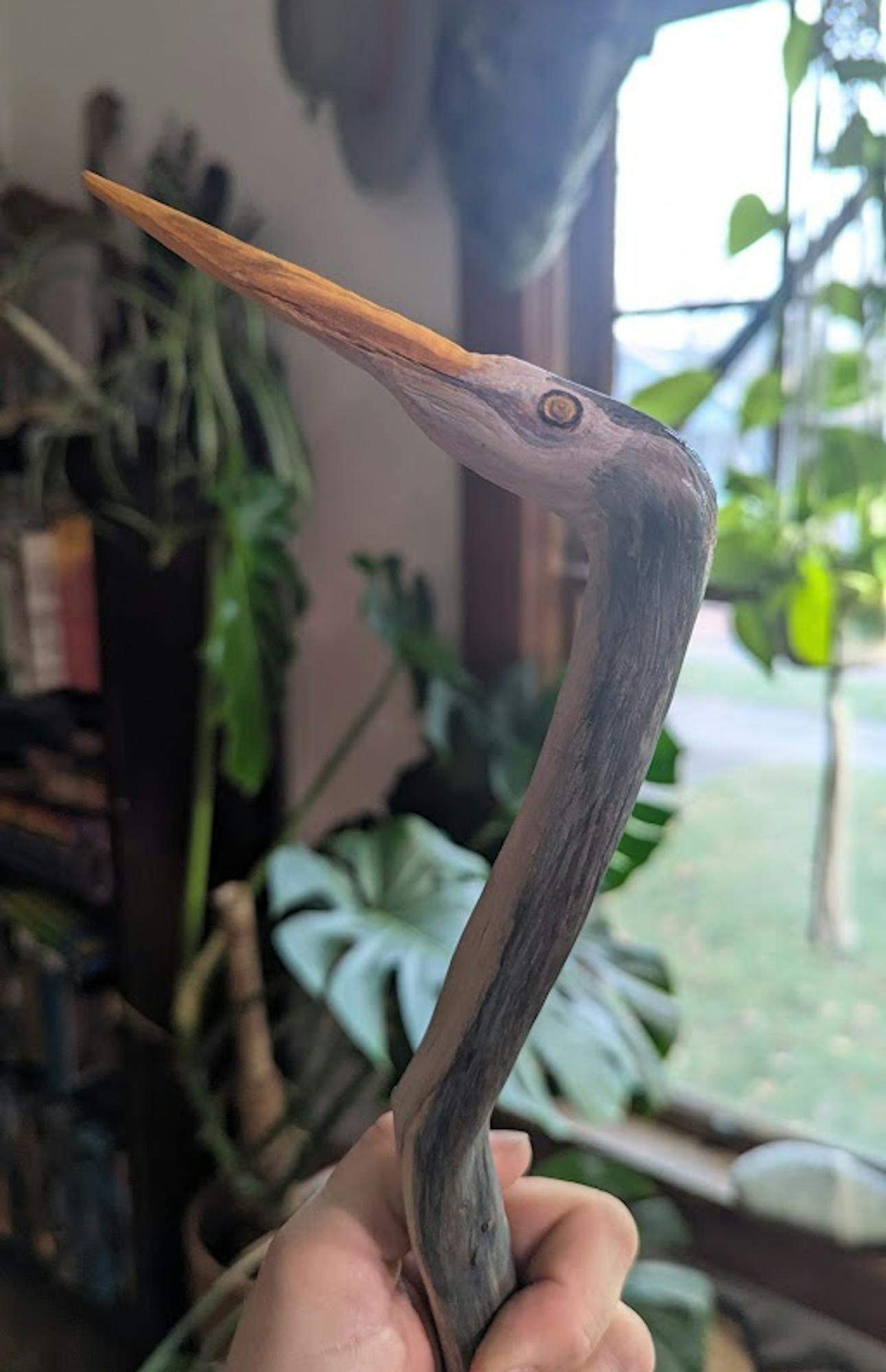
Different life events-marriage renewals, the untimely loss of family and friends, and moments when I needed grounding, pushed me to explore what it would be like to create with the things I found along my explorations. I found a piece of driftwood that looked so much like a Great Blue Heron to me. Its shape was perfect, and the tapering end formed the ideal sleek beak of the prehistoric bird I love seeing on every river. To others it was just a stick that had made its way through rapids and along the rocks of the shoreline before ending up in my hand. For me, it was a reminder of the first time I guided a raft on the Colorado—seeing Blue Herons at each bend, flying from one shoreline to the other as if playing leapfrog with me. With a Dremel in hand, I shaped the vision I saw and shared a little of my time as a guide on the river.
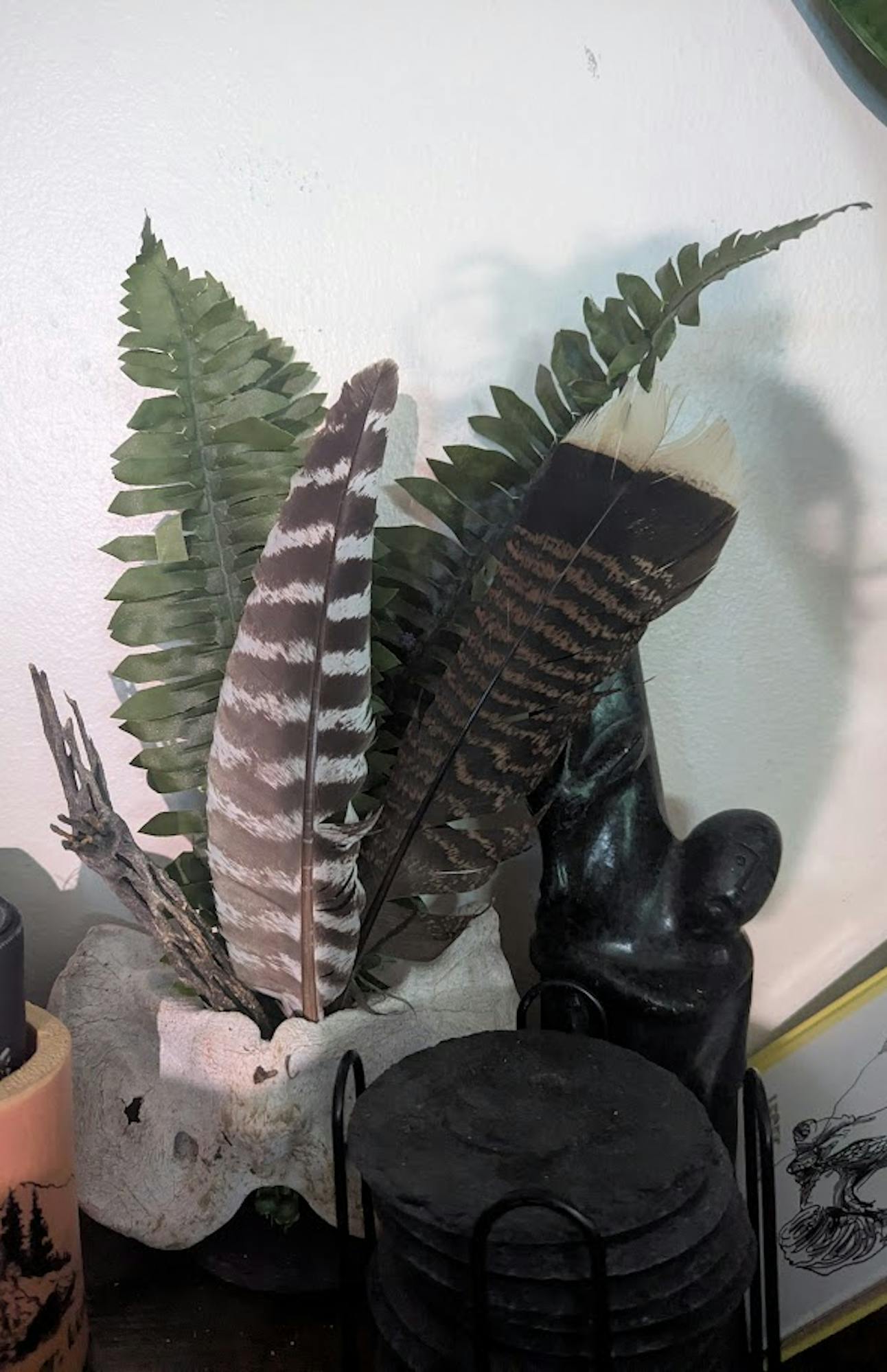
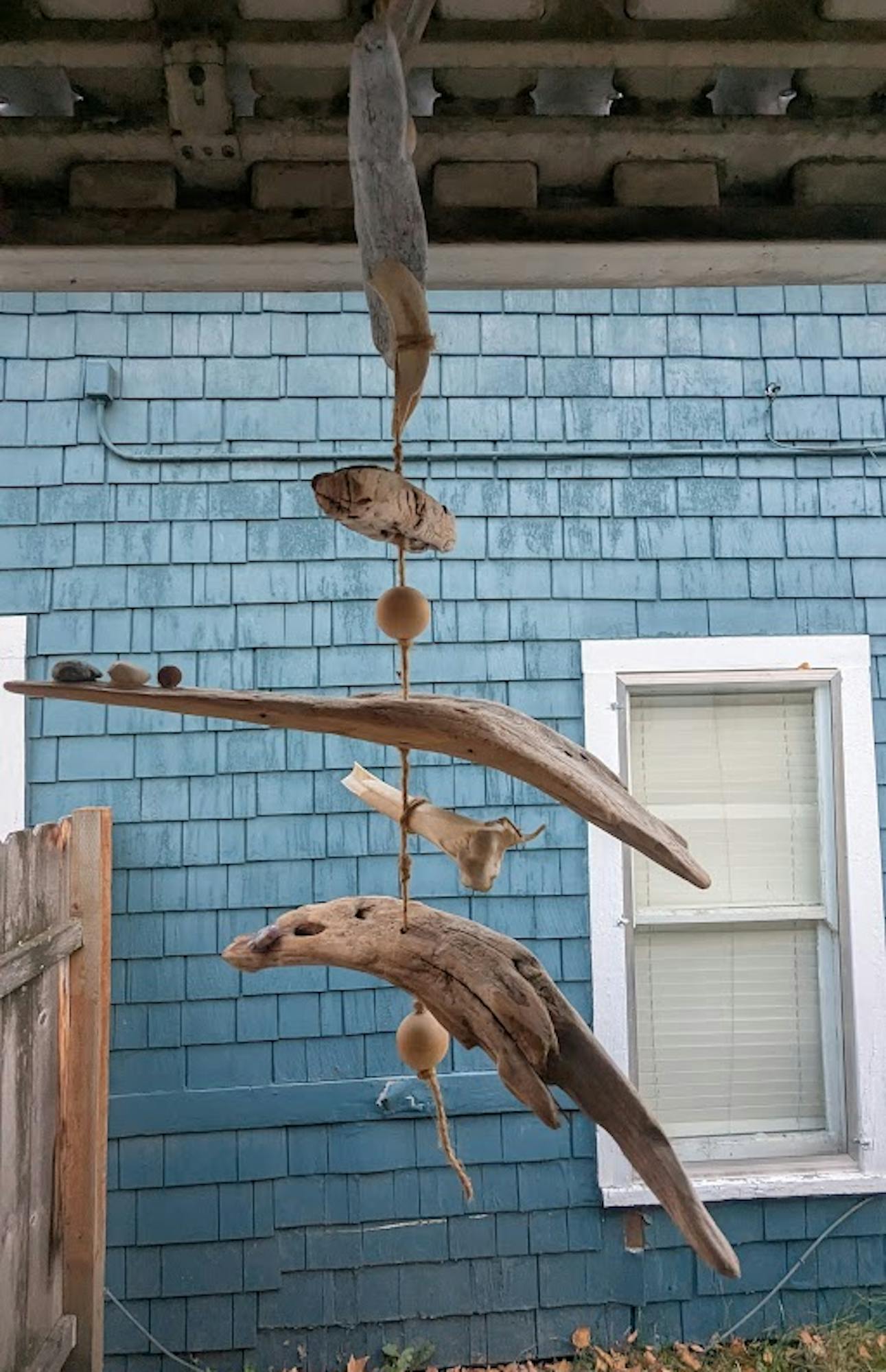
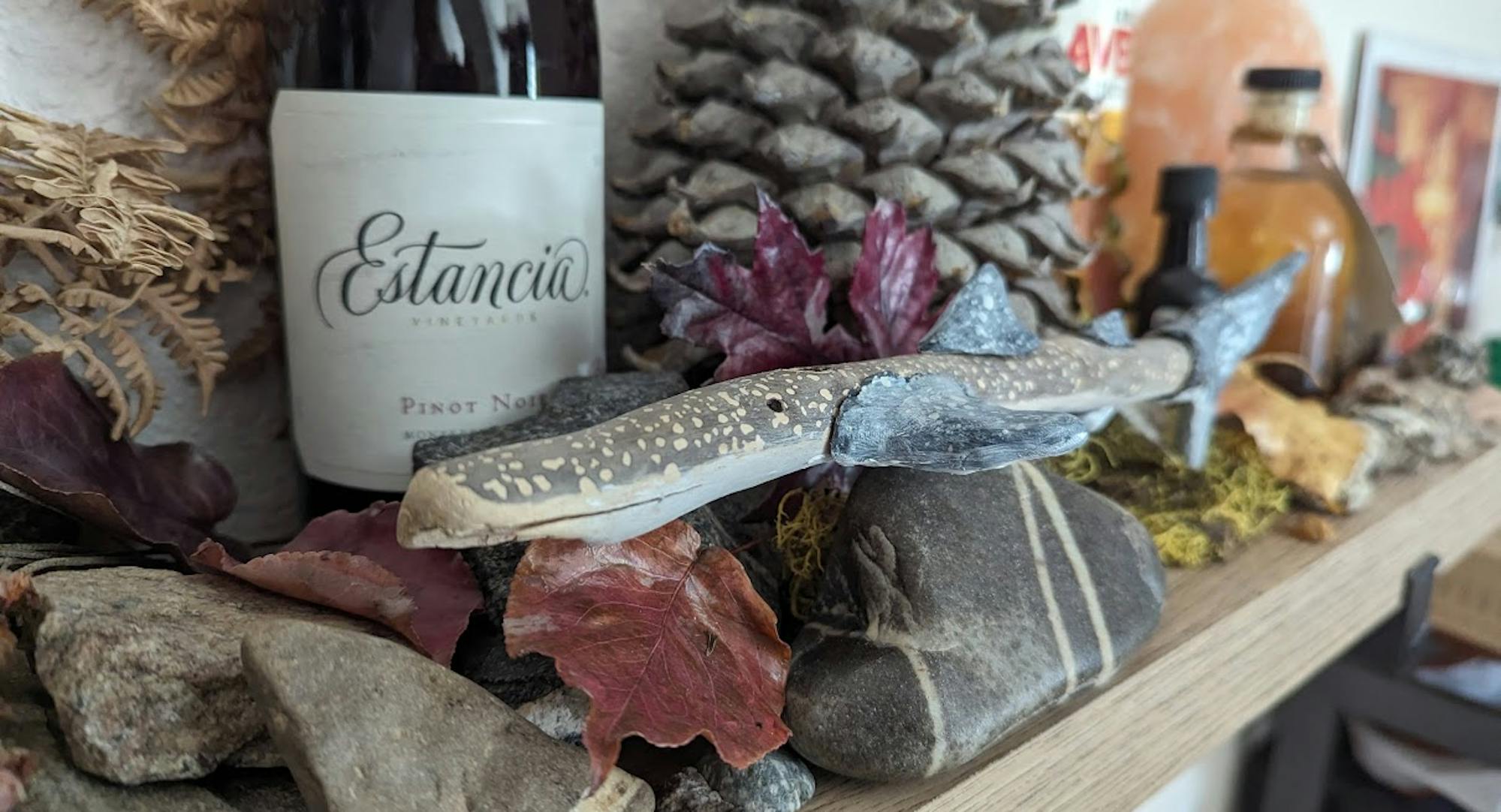
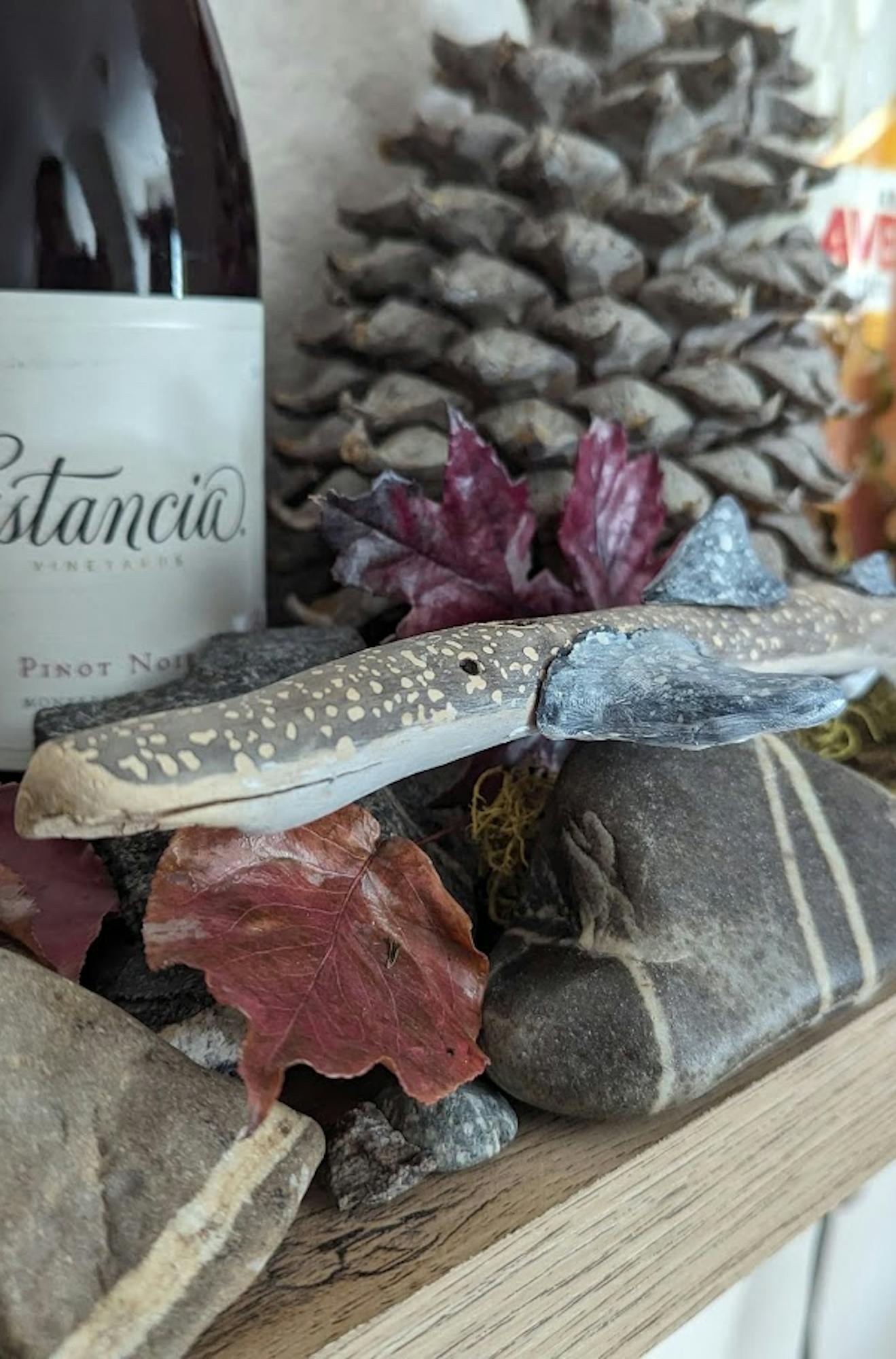
Once along the beach I found some remaining bones of a Pelican, with the natural hollow bones of a bird I turned them into a Valhalla ladder (Old sea-farers gathered driftwood from distant shores, stringing the pieces into ladders to mark their travels or guard their homes. It has roots in Norse and Viking traditions where similar items were made to commemorate travels). Another driftwood with spotted marks that resemble a whale shark. I found a rock that would be its stand and then poorly made polymer clay fins, but despite it being roughly made, it brought life to what I saw in the patterns in the driftwood.
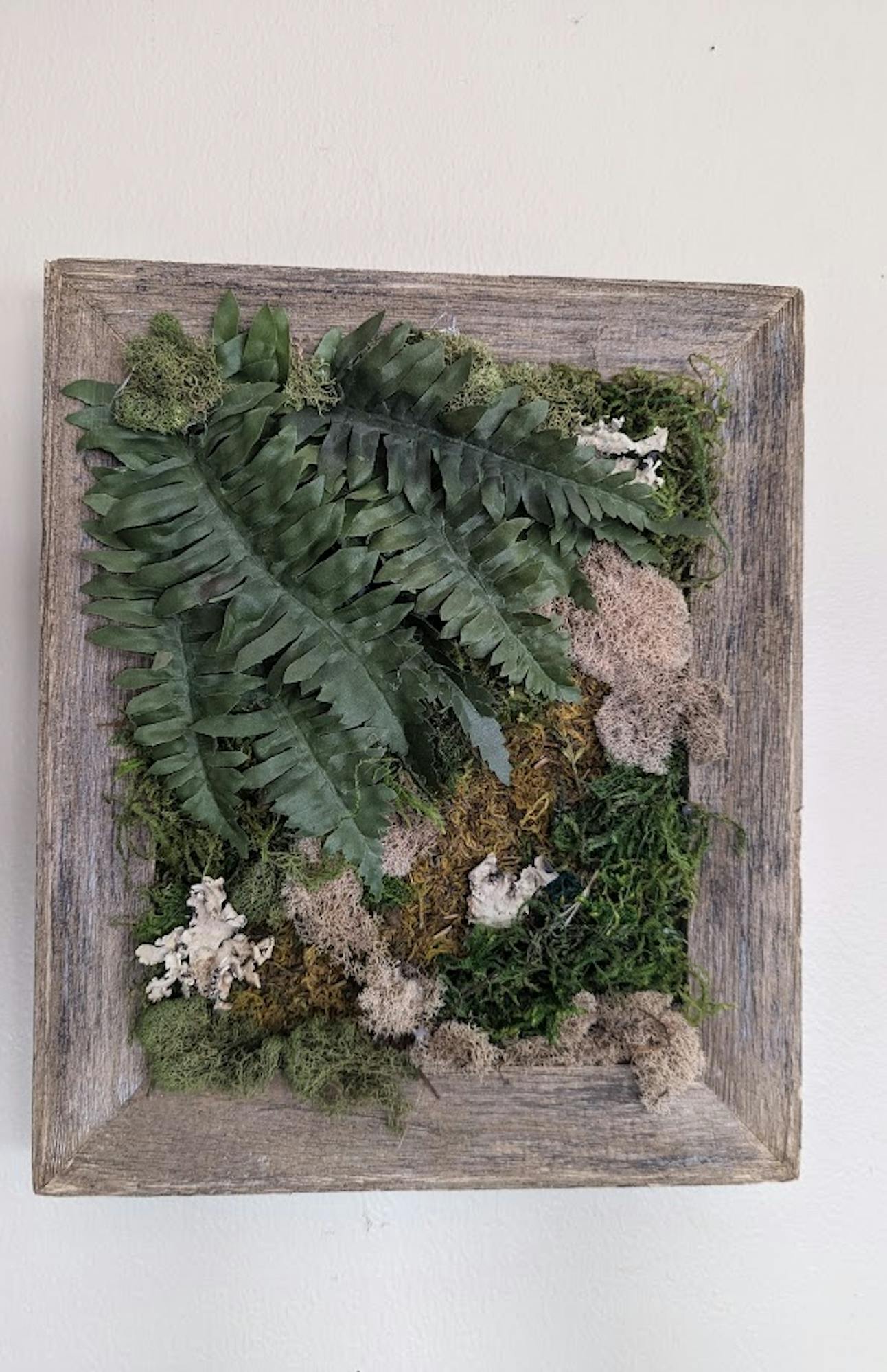
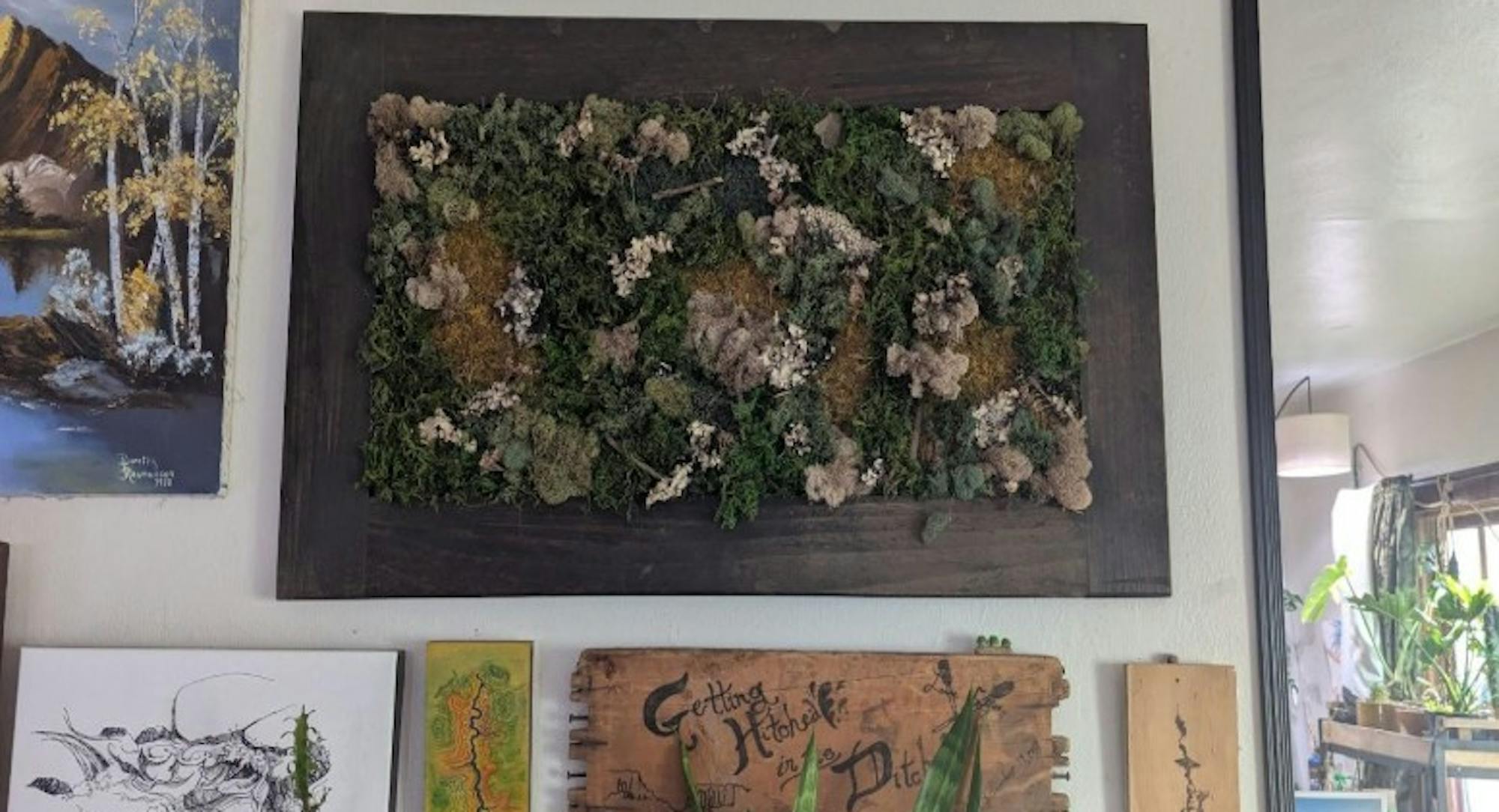
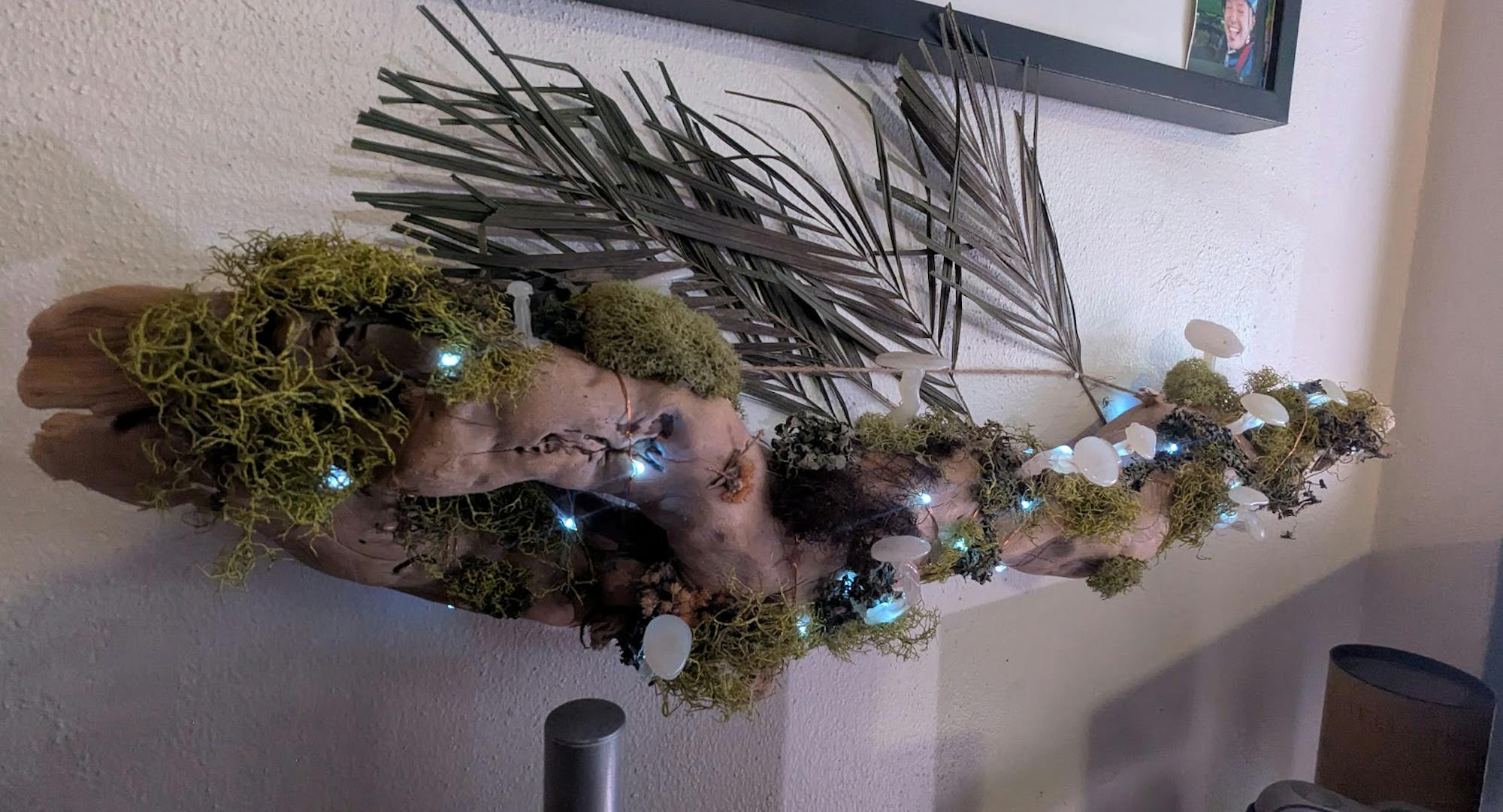
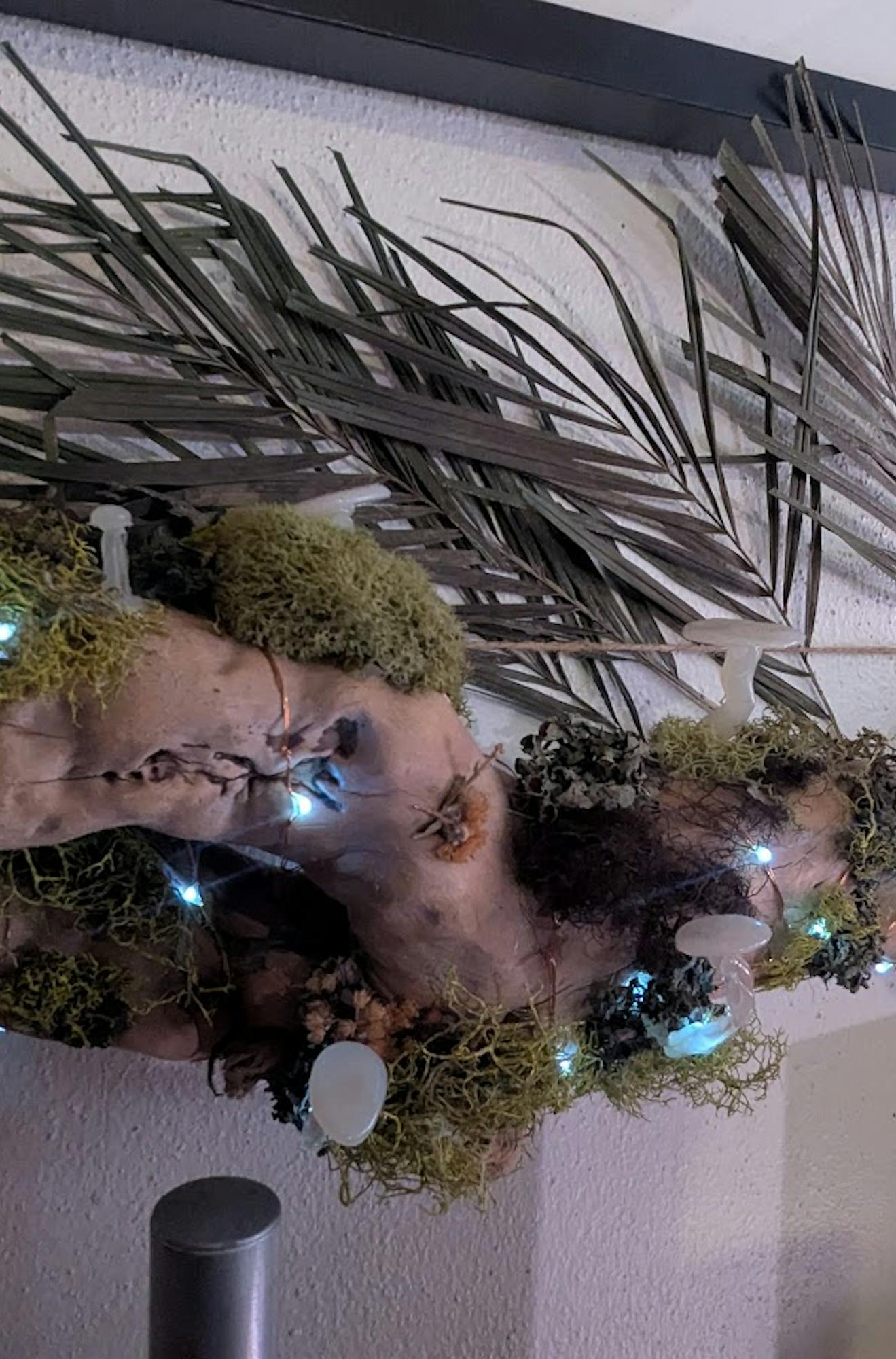
On one of my Grand Canyon trips, I found a piece of driftwood—probably a root—that resembled an antelope with strong, prominent horns. It looked like a skull, and I carried it for the rest of the trip. I had to keep it safe from being thrown into the wood pile for burning, and I was often teased about my stick. Mike used a date night to thread thin wire lights around and through it to emphasize its features when lit. I added some lichen I had collected from Bogus Basin. When the younger students want to play instead of ski, we sometimes collect lichen and moss that has fallen onto the snow around the ski shed. It’s been a fun part of scavenging. I added those pieces to the driftwood while making small mushrooms along the wood. Some of the lights I twisted to build the mushrooms on top so they would light up. Since then, I’ve made a few different driftwood wall pieces with the lichen and handmade mushrooms. Some friends renewed their vows, and I made a new wall mount for them.
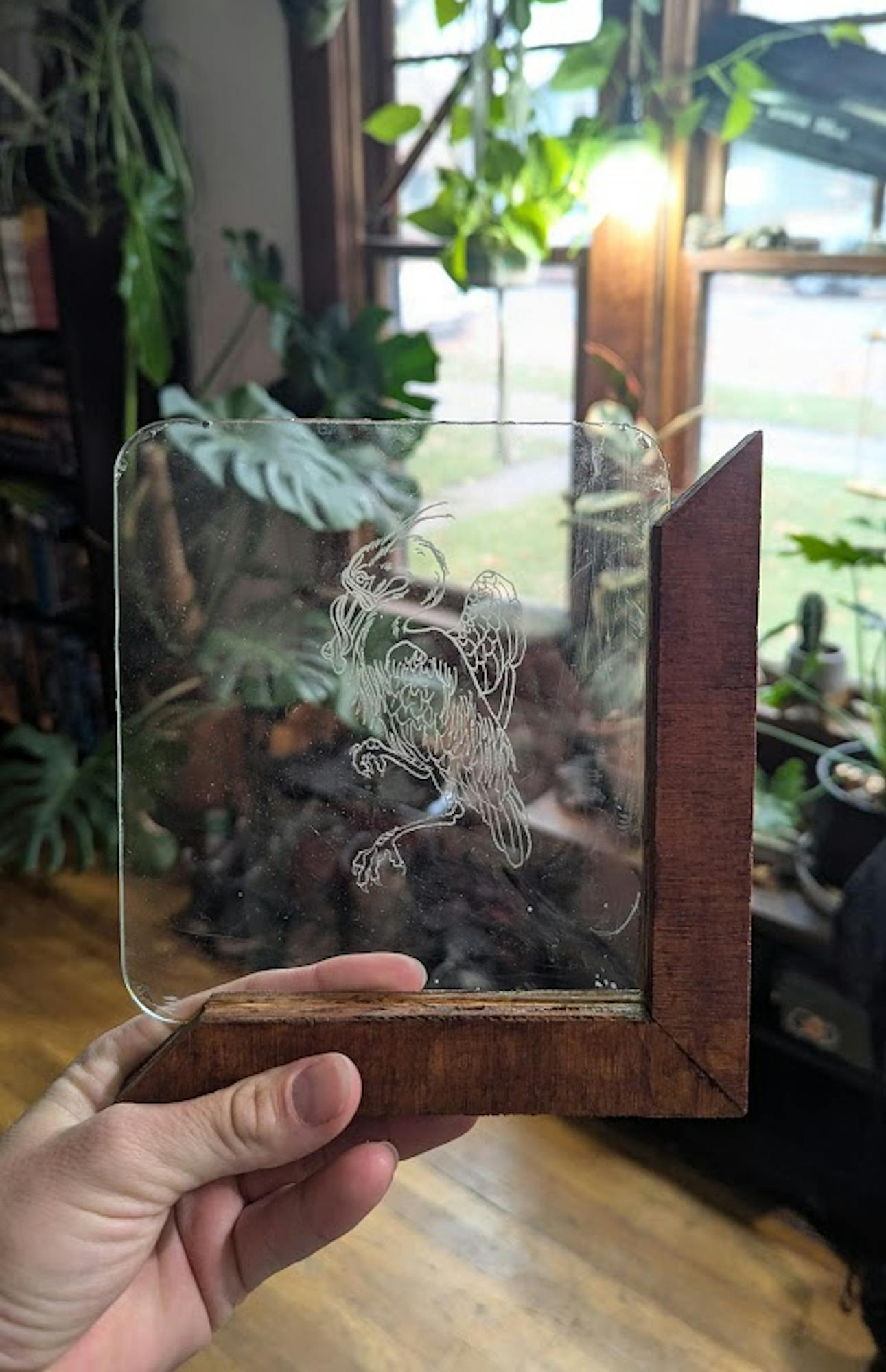
Through grief, each of us responds differently.. I’ve found that I often create something with it. Sometimes that means making shadow boxes with glass tiles I found at a re-store and using my Dremel to capture a photo. With the right angle of light, the shadow of the image appears. Mike made the box from van scraps, and I made the image. Then I framed the shadow print with moss I had collected. In the Wasatch, I lost a few good friends in a record avalanche that killed five people in our small network. It devastated the community, and I needed to put my energy somewhere. A friend remodeling his home gave me wood scraps, and I learned how to transfer photos onto wood. I cut them to size to make prints to hang on the wall. At the shop where we all worked, you can still see those photos. When it comes to grief, you can’t do much for someone beyond offering space. I still use this method to create simple gifts from discarded materials—to give more life to things we often consider trash, turning them into gifts or art to be admired.
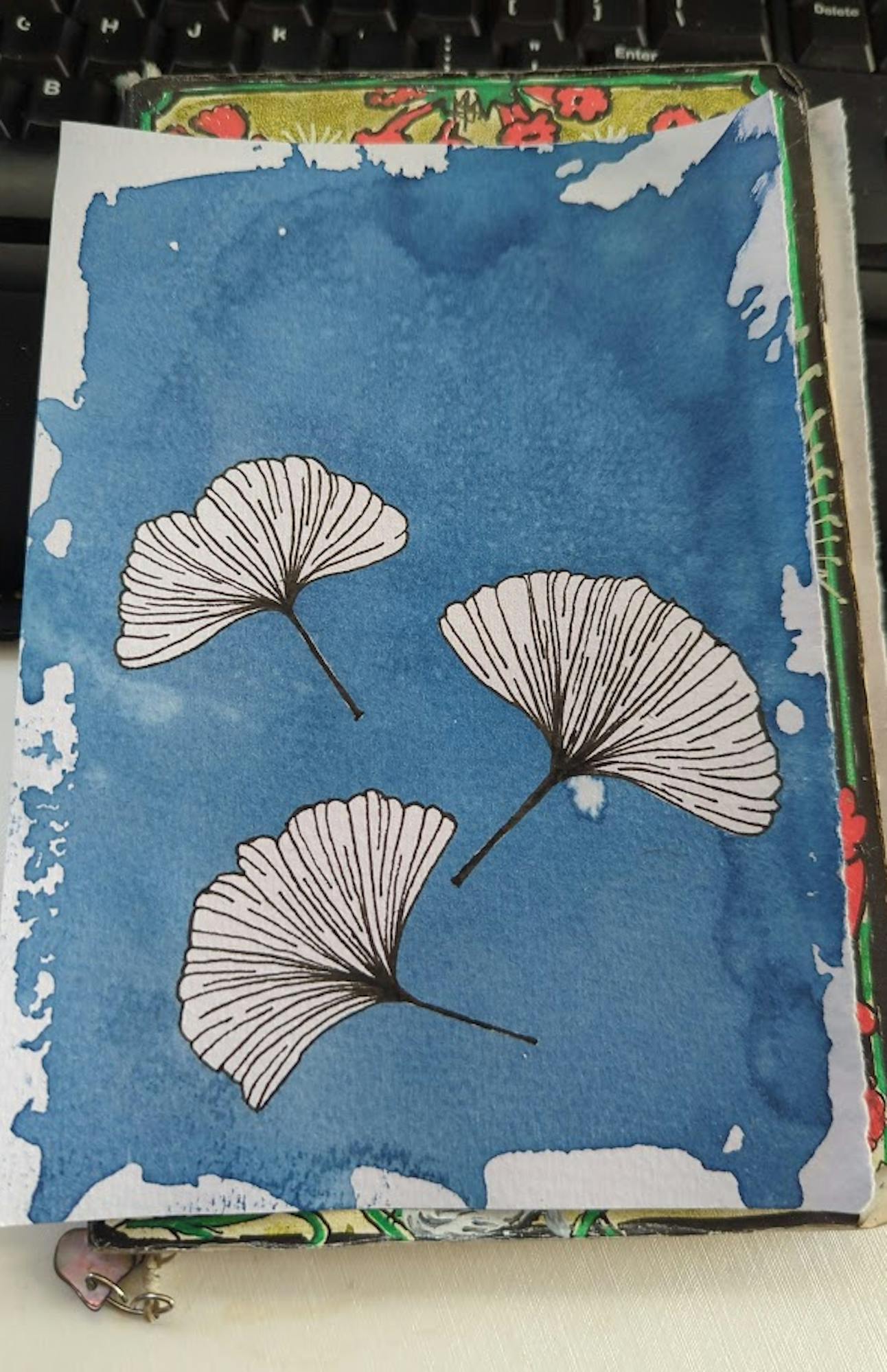
One holiday season, while Mike was in PA school, we had very little means, and there have been many years when I received gifts but couldn’t return any. With some creative influence, I found polymer clay and made ornaments and magnets. I collected pine stems, flowers, and other plants that had been discarded, rolled their imprint into the clay, and baked them. Once hardened, I used leftover acrylic paint to decorate each one with unique colors and highlight the pine imprint underneath.
Creativity has been something I’ve struggled to feel like I can hold onto. Some of that, I blame on my lack of dedication to stay focused on one skill long enough to become excellent at it. But the upside is that I get to explore a lot of mediums and different paths for creativity. In the end, creating from what I find out there feels like another way of carrying those wild places home.