
Account
As the air cools, Stio Mountain Athletes Paula, Ryan and Ben are doing things their way—no training camps, no glam, just fall in New England. Home gyms, dirt roads and deep roots. Their road to the Olympics 2026 starts here: grounded, gritty and homegrown.
Tradition is like humidity in Vermont—it’s everywhere. For three Stio Mountain Athletes, spending their training season in Vermont is tradition, even in this Olympic year. Ryan Cochran-Siegle, Paula Moltzan and Ben Ogden compete for the US Ski and Snowboard Team and call Vermont home. They spend their winters traveling the world to compete on the World Cup; in the summers, they grind through training plans in the Green Mountain state. The Olympic year doesn’t shake their traditions. Like the trails they run and ride, their paths are known and loved.
A born-and-raised Vermonter, Ryan Cochran-Siegle is an alpine speed skier with a silver medal from the 2022 Olympic Super-G. Ryan calls Cochran’s Ski Area home, the community ski hill his family started and still runs. Even in the summer, Cochran’s remains one of Ryan’s favorite places to train. “I’m probably there 90% of the time that I’m working out outside. Cochran’s is where I grew up; my whole childhood was there. I’m always running into family and friends there; it’s pretty fun.” Whenever Ryan trains at Cochran’s, his dog Wrigley can join—they love chasing each other for mountain bike intervals, their favorite way to build endurance.
Paula Moltzan’s home is the Mad River Valley, a bucolic slice of Vermont near Sugarbush Mountain Resort. Originally from Minnesota, this alpine tech skier moved to Vermont to ski for the University of Vermont and stayed. Paula’s training headquarters is a barn on her husband’s family’s land. Strength and agility training mean the most to this tech specialist, so she fills her summer and fall with two-a-day training sessions. Between morning and evening training, she’s minutes from any activity: hiking, mountain biking or her new favorite: golf. “I call it my recovery sport. I work out, then go golf nine or 18 holes, then find some more energy and come back to finish the second workout.” In the 2022 Olympics, Paula placed eighth in slalom and twelfth in GS. She most notably achieved a bronze in the World Championships GS the winter of 2025 season.
Ben Ogden hails from the Southern Vermont nordic skiing mecca. Community and inspirational terrain keep him coming back home, even as his nordic career takes off. In 2023, Ben finished eighth in the overall World Cup standings, the highest ever rank for an American competing on the men’s Cross-Country World Cup. He also won the overall under-23 title that season. Ben's summer training plan takes place outside as much as possible—under Green Mountain tree canopies, on rugged ridgelines and amidst the culture that loves recreating there. As Ben says, “Anything you can do that keeps you happy and gets your heart rate up is good training. Your heart doesn’t know the difference.”
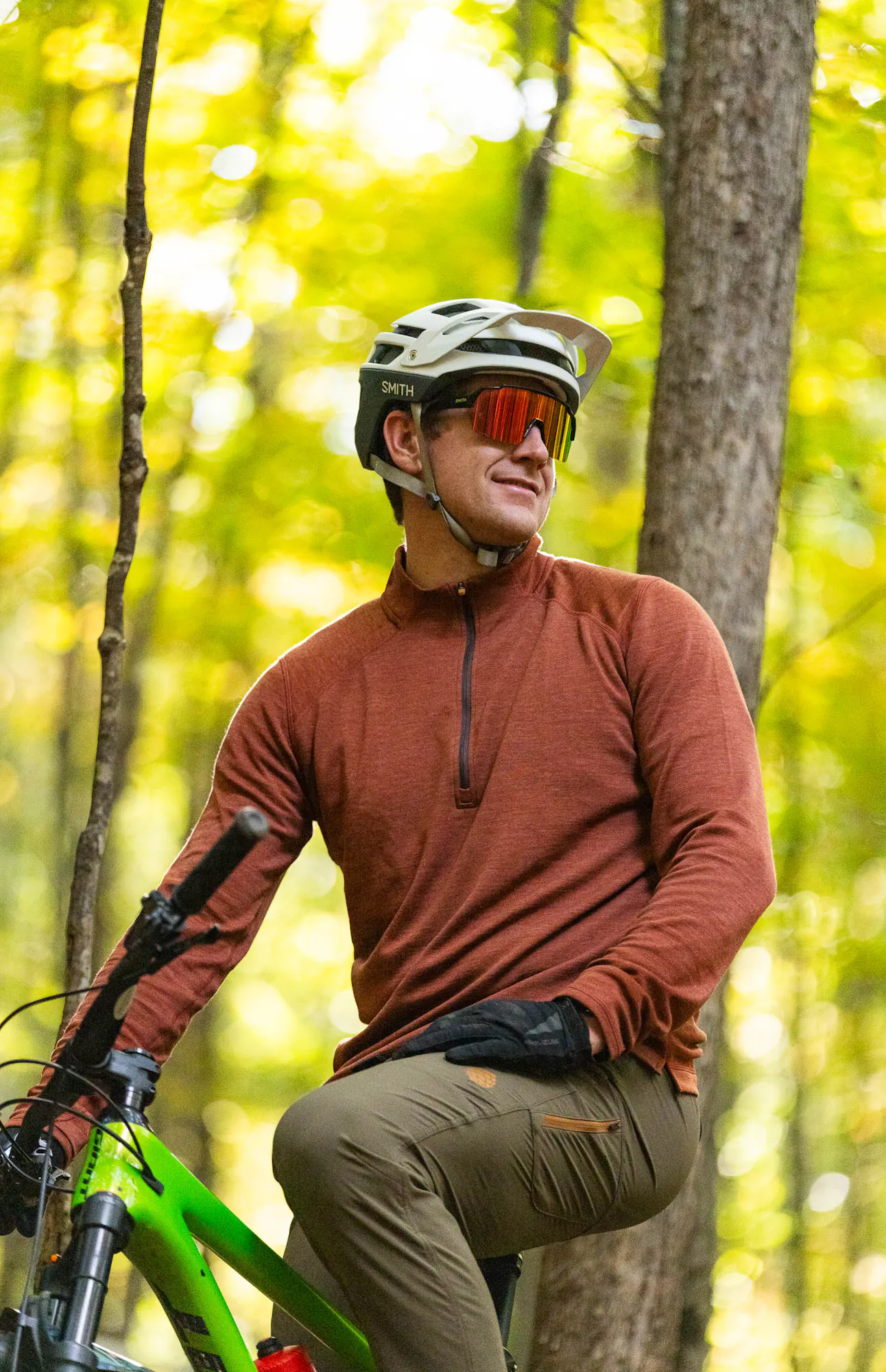
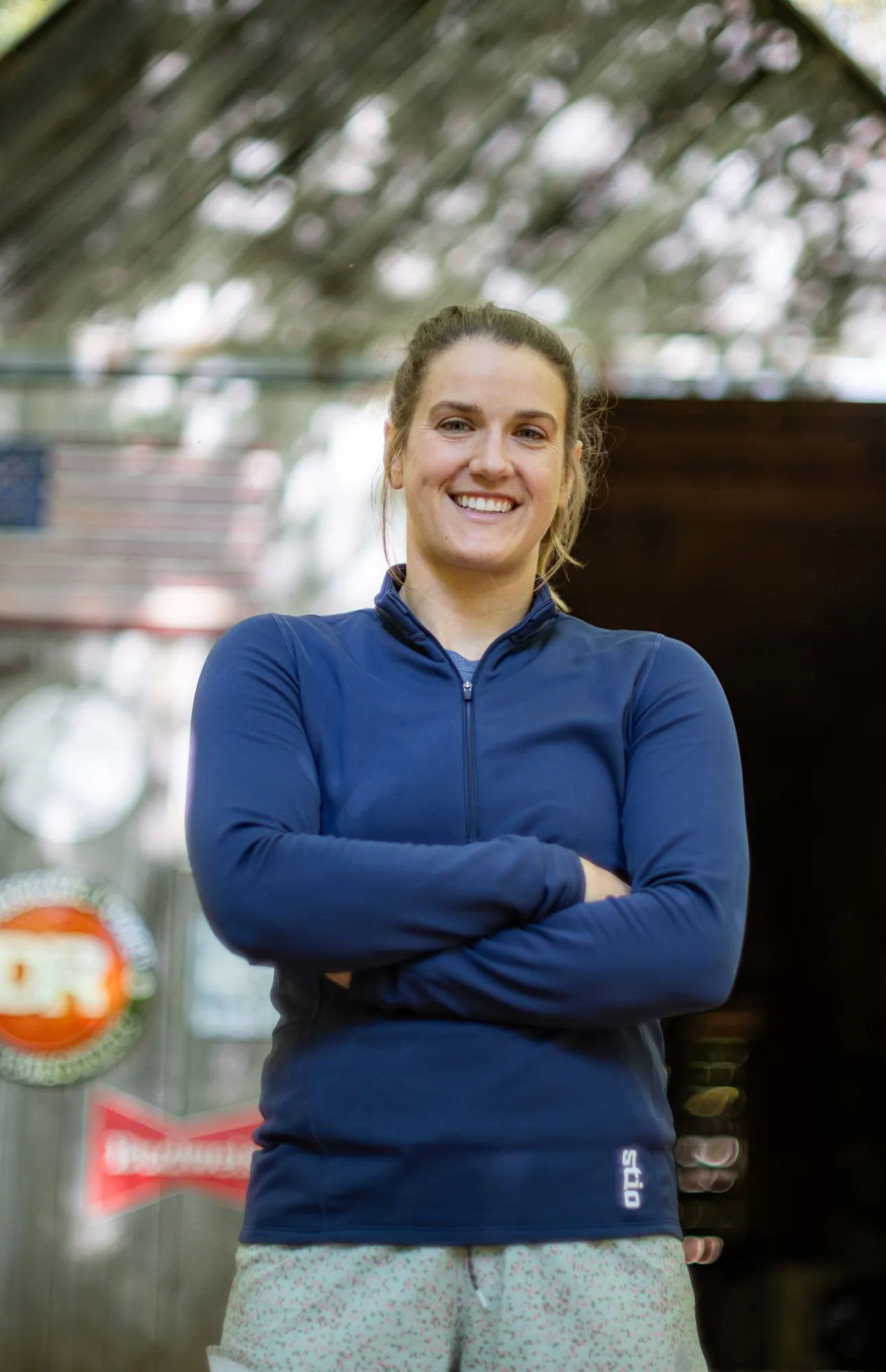
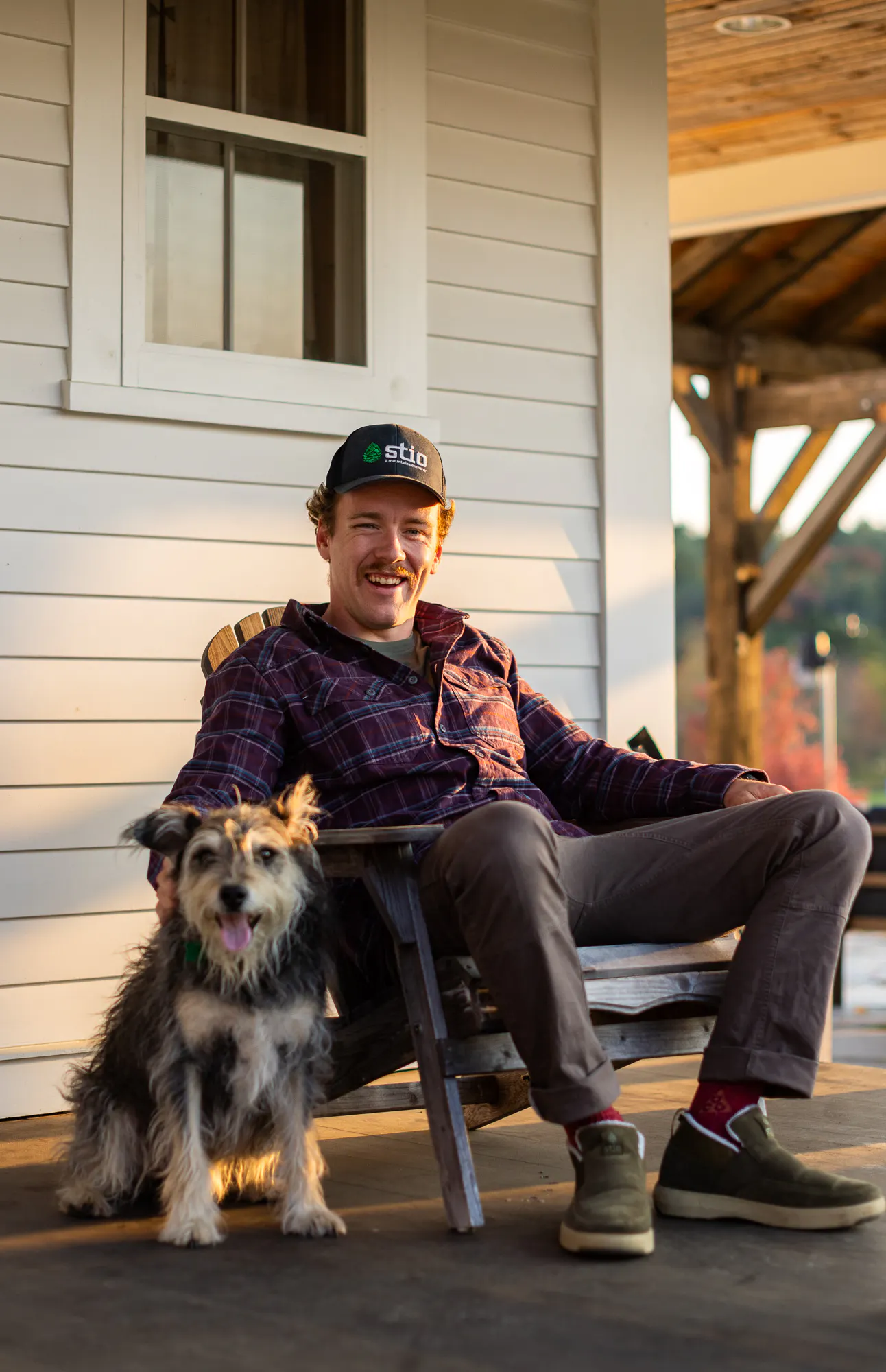
This winter, the Olympic Games will be held in Milano Cortina, Italy, from February 6 to 22, 2026. It’s the moment when the world tunes into niche sports, like alpine and nordic skiing. This year won’t be the first Olympics for any of these athletes, but going back for more doesn’t change their approach or mindset. It’s still about adding exponentially more hard work to the equation. As Ryan put it, “Having achieved an Olympic medal, there’s this certain amount of gratification and recognition for the work that got put in. Nothing is given; you do have to earn every success you dream of.”
This winter will be Ben’s second Olympic season as a professional athlete. “When you become an Olympian, you go to the Olympics, you come in 12th or whatever, and think ‘Oh my God! That was awesome! But now I want to get on the podium.’ And that’s the next thing that motivates you.”
This past season, Paula earned a World Championship medal. The World Championships are a big deal in ski racing, a culminating event held every two years. “I’ve used that as momentum throughout the summer to remember that, although many sessions are not going to feel awesome, it can pay off with big results.”


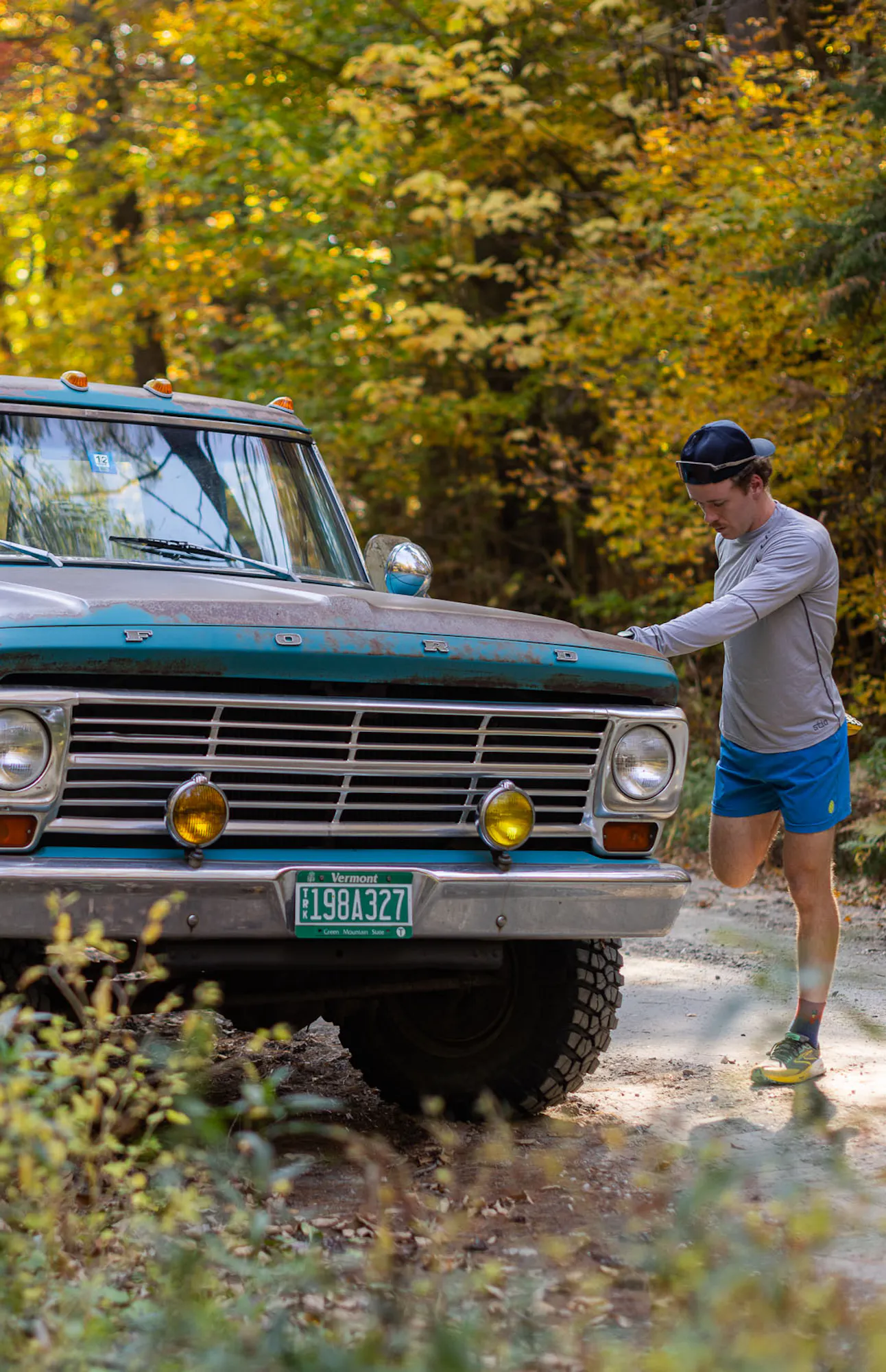
The Green Mountains demand effort. Humidity amplifies heat, sweat and maybe dreams. As Paula, the new Vermonter, said, “Vermont has taught me to be more gritty than I used to be. The humidity has made me get used to being very sweaty and uncomfortable while training. I think that translates to the world of sport—it might not always feel good, but you’ve got to do it anyway.”
Vermont is gritty, but it also gives: morning light through old-growth trees, swimming holes at the end of mountain runs or fall foliage amplified through crisp, clear air. The little things, specific to this Green Mountain home, make training better than a grind.
One of Ben’s favorite training check-ins is a classic Vermont hike: Camel’s Hump. Over the years, he’s gone from Camel’s Hump days on the shortest hiking trail, to linking up the longer trails, to approaching from the road. He measures his long-term progress as an endurance athlete by what he can do on Camel’s Hump. “There are a million actual metrics to look at, but sometimes it’s more fun to have the ones you feel rather than see.”
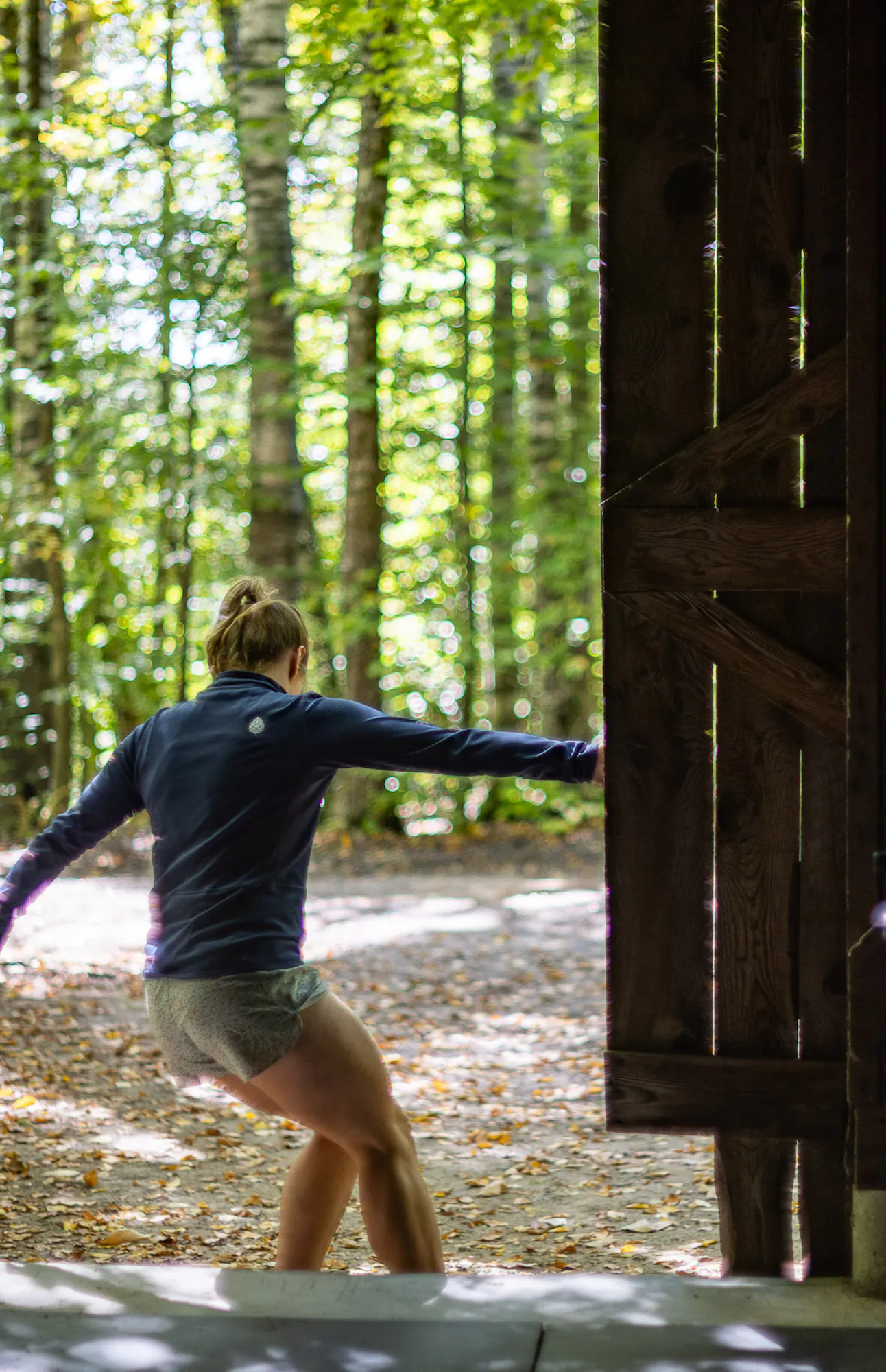
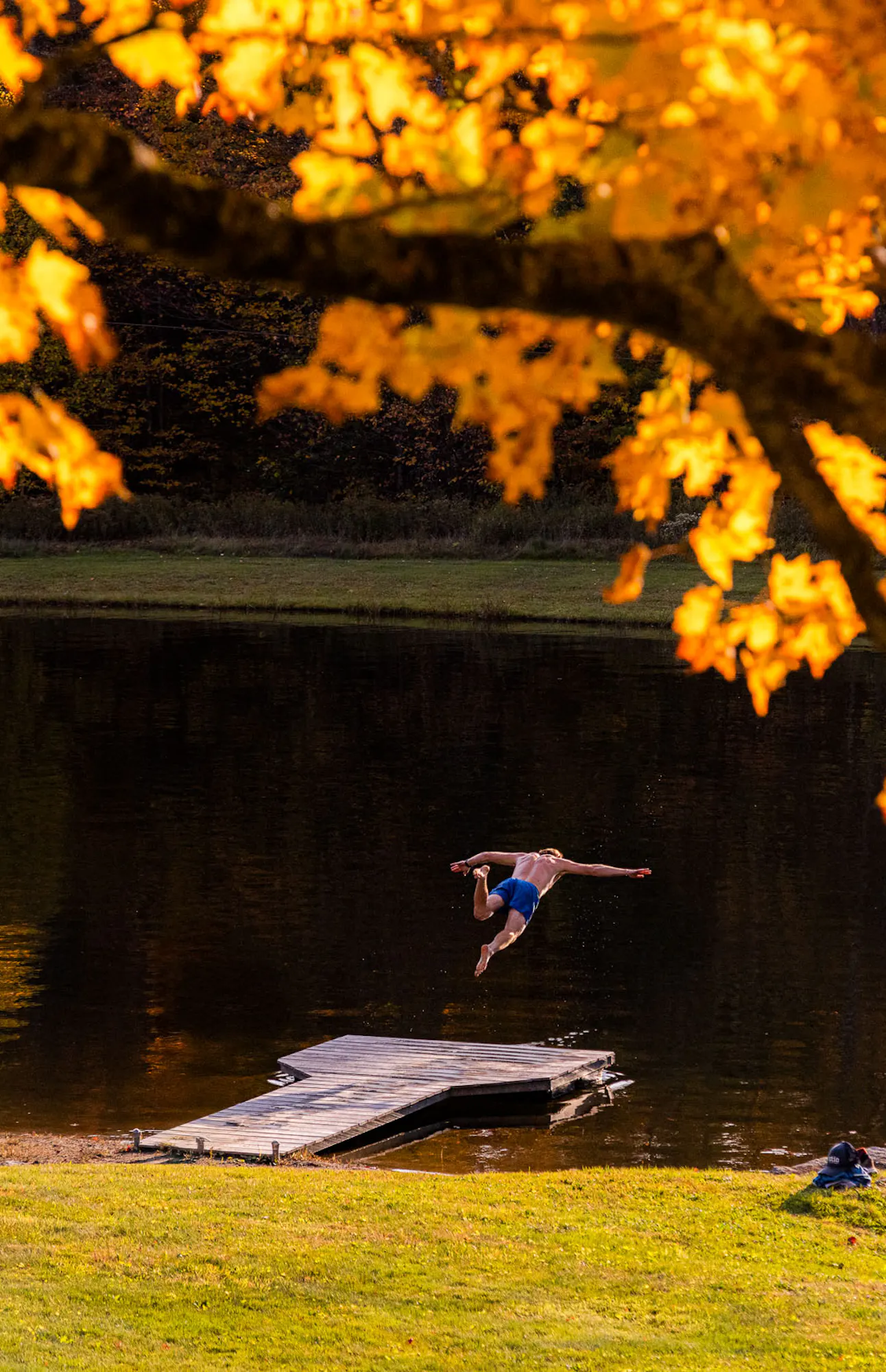
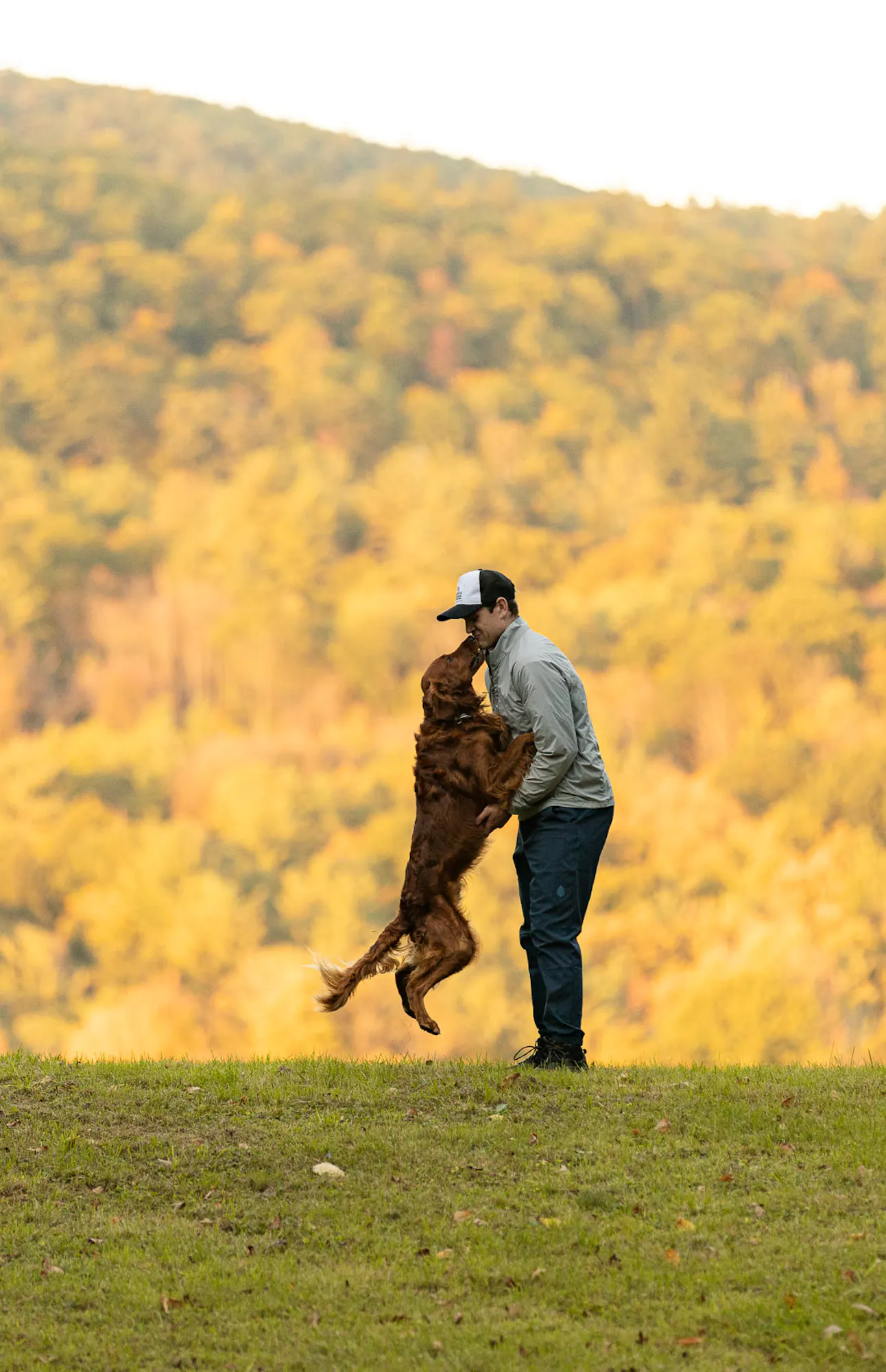
Despite the physical grind, the dryland training season is a welcome respite for these athletes. It’s the yin to the yang of long months away from home during the competition season. Structured training days find a rhythm and balance—hitting physical training numbers in the gym, flowing through well-worn mountain trails and feeling the embrace of home community. Ben reflects, “You get such an epic feeling of satisfaction when you’re done with an adventure, run or mountain bike ride. I’ll be chasing that for the rest of my life, regardless of whether or not I’m still racing.”
These athletes could train anywhere, but these mountains keep drawing them back for the most essential part of their year. Training is the source of what they can accomplish in competition. Time at home restores their spirits and energy reserves for a winter of travel and life from a suitcase. In Ryan’s words, “On the road, I dream of being home with friends and family and having those normal experiences that I often miss out on.”
By fall, everything shifts. The rhythm of Vermont training gives way to on-snow training at international destinations. World Cup races start at the end of October. The schedules for these three Stio athletes become a blur of airports, ski bags, packed duffels and hotel beds from November through March. Transition becomes the norm, and rhythmic days of chasing fitness and joy in Vermont are a well to draw from and, next summer, to refill.
Vermont is a touchstone for Paula’s, Ryan’s and Ben’s Olympic dreams. In the Green Mountains, they find a cornerstone to build a winter of speed, and a haven to return to for the next summer of simple sanctity.


