Sale
Shop By Collection
Shop By Collection
Account
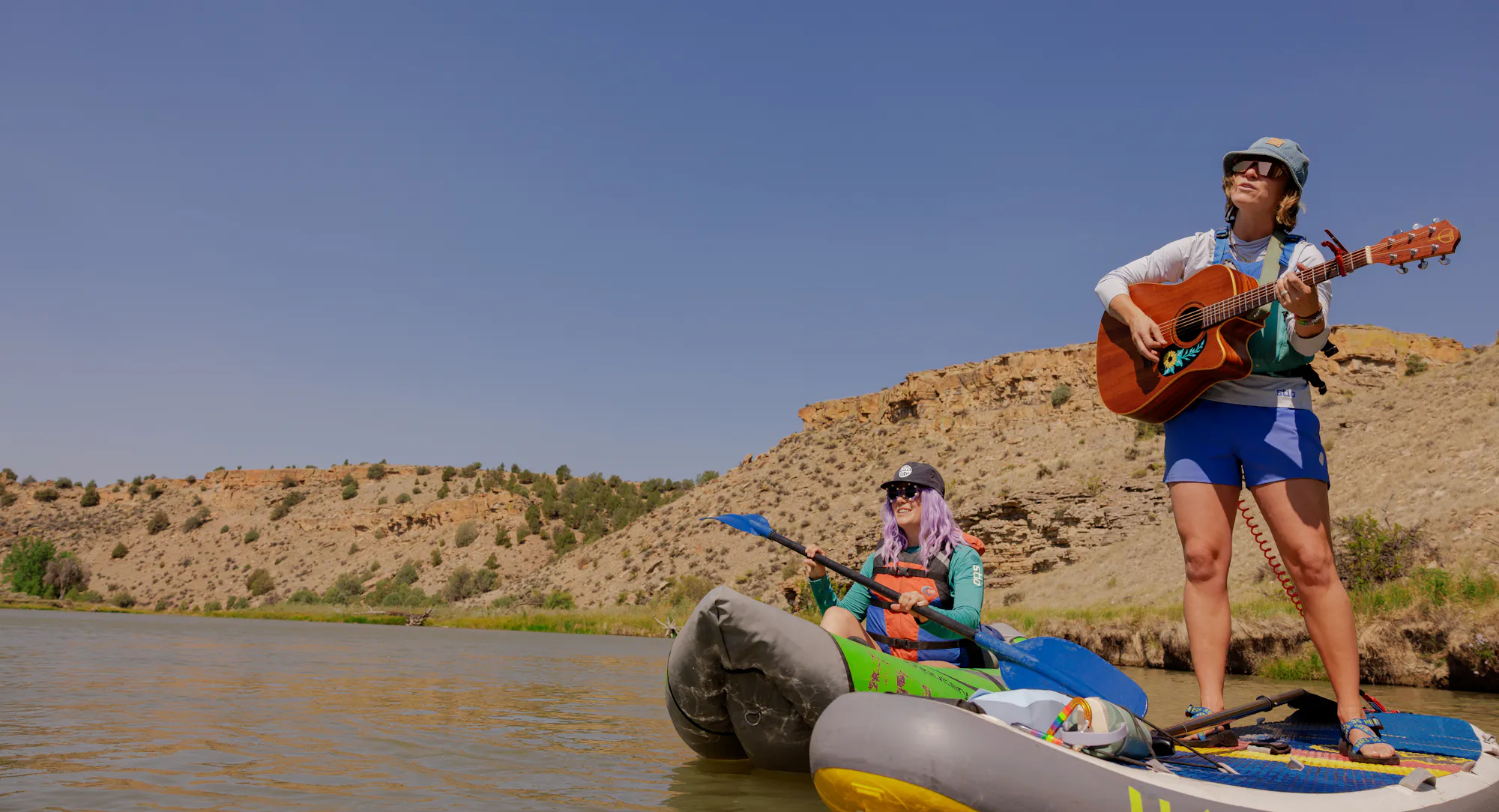
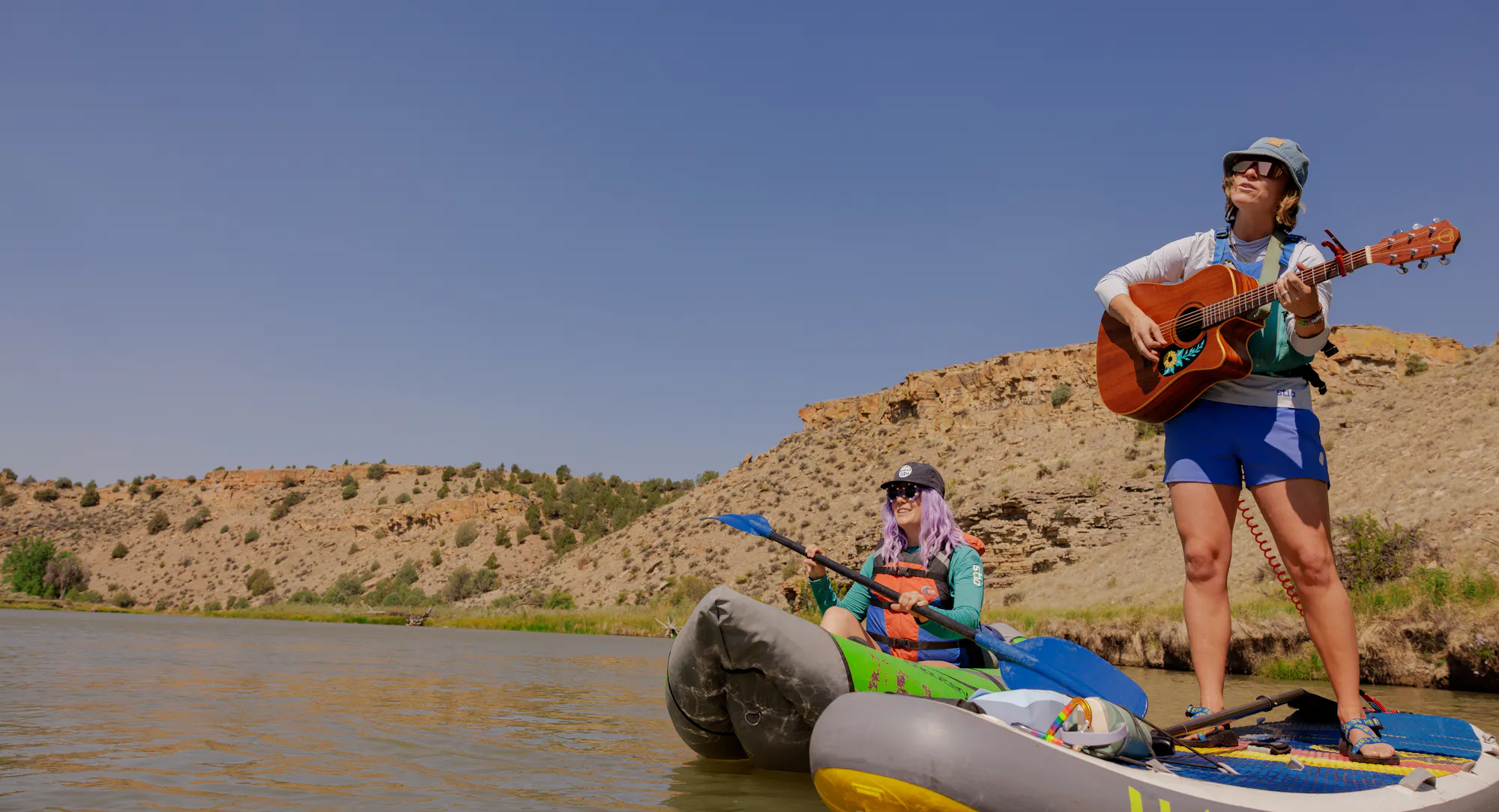
Phones, packed away. Cell service, none. 15 people form a community in real time, stroke by stroke. In a world of endless noise, packing just a guitar and a PFD, musician Aubrey Mable gets back on the river and argues why the river might be the most radical, restful place left.
I finish packing my dry bags and load up my car for the journey from southwest Colorado to Abiquiu, New Mexico. I’ve packed the two most important things—my PFD and my guitar—so everything else is trivial at this point. As I wind through the changing landscapes from the high alpine to the high desert, I feel my exhales deepening. The full moon hangs in the sky and the palette of the desert sunset is enough for me to pull over and stop, to take it in completely.
I’m on my way to the second annual music river trip with my band LVDY. The seed for this trip was planted in the fall of 2022, during a 22-day rafting trip through the Grand Canyon with my bandmate Kathleen. One of the other gals in our group guided with a company near Taos that hosts live music river trips; she thought we would be a perfect fit. Twist our arms!
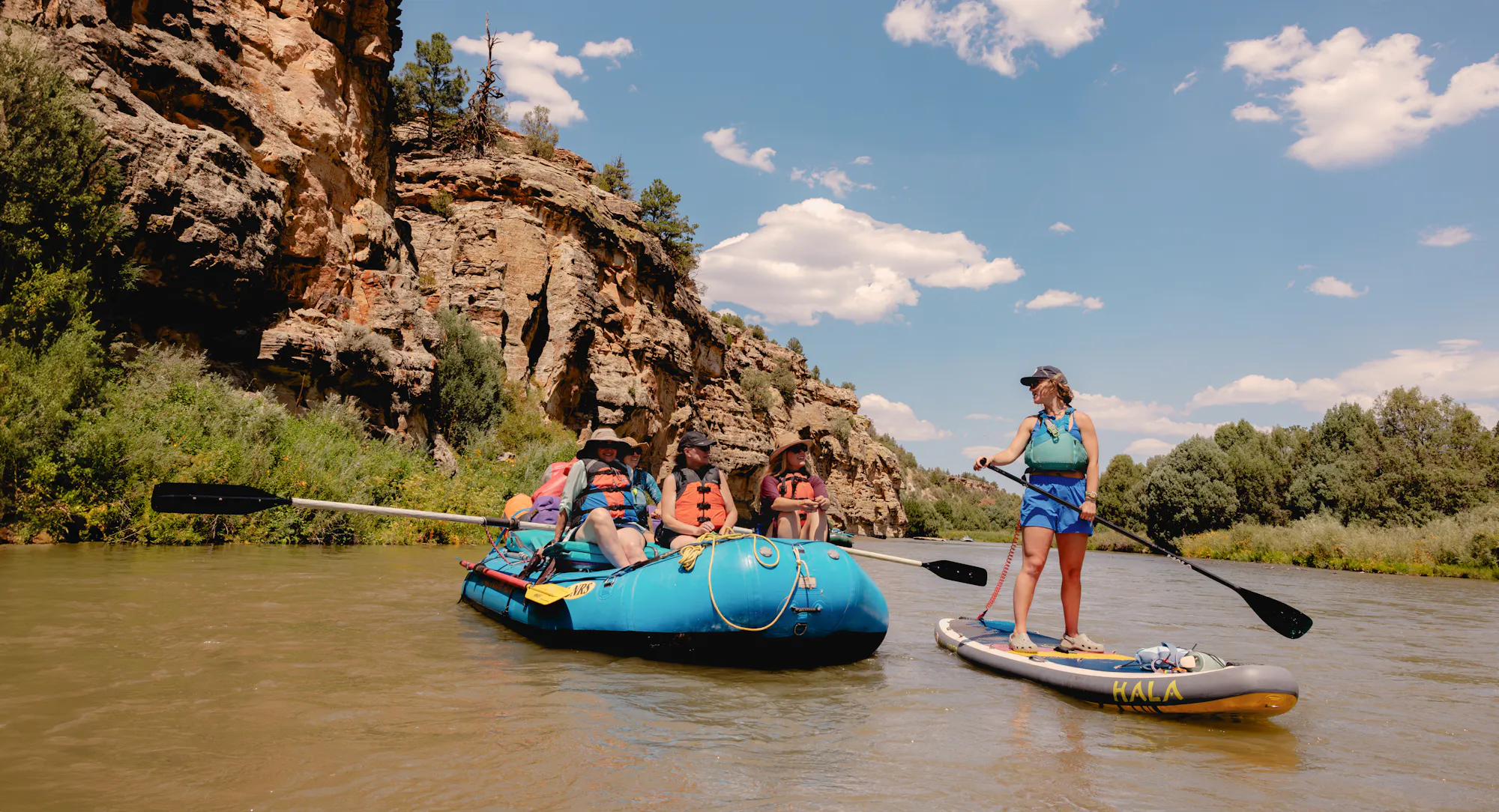
We meet at the put-in and all 15 of us have a different reason for coming. To slow down and exist with nature; to disconnect from the digital world; to be present with a new community and soak up the music under the stars. For me, there is no recalibration quite like being on the river. And there’s no better place to experience our music than in nature. Singing our songs outside, without a stage, without walls, without amplification separating sound from source, is deeply spiritual. Music behaves differently in wild spaces. Notes drift up and echo off canyon walls. Harmonies soften and expand. The river itself seems to listen, carrying sound downstream long after the final chord fades.
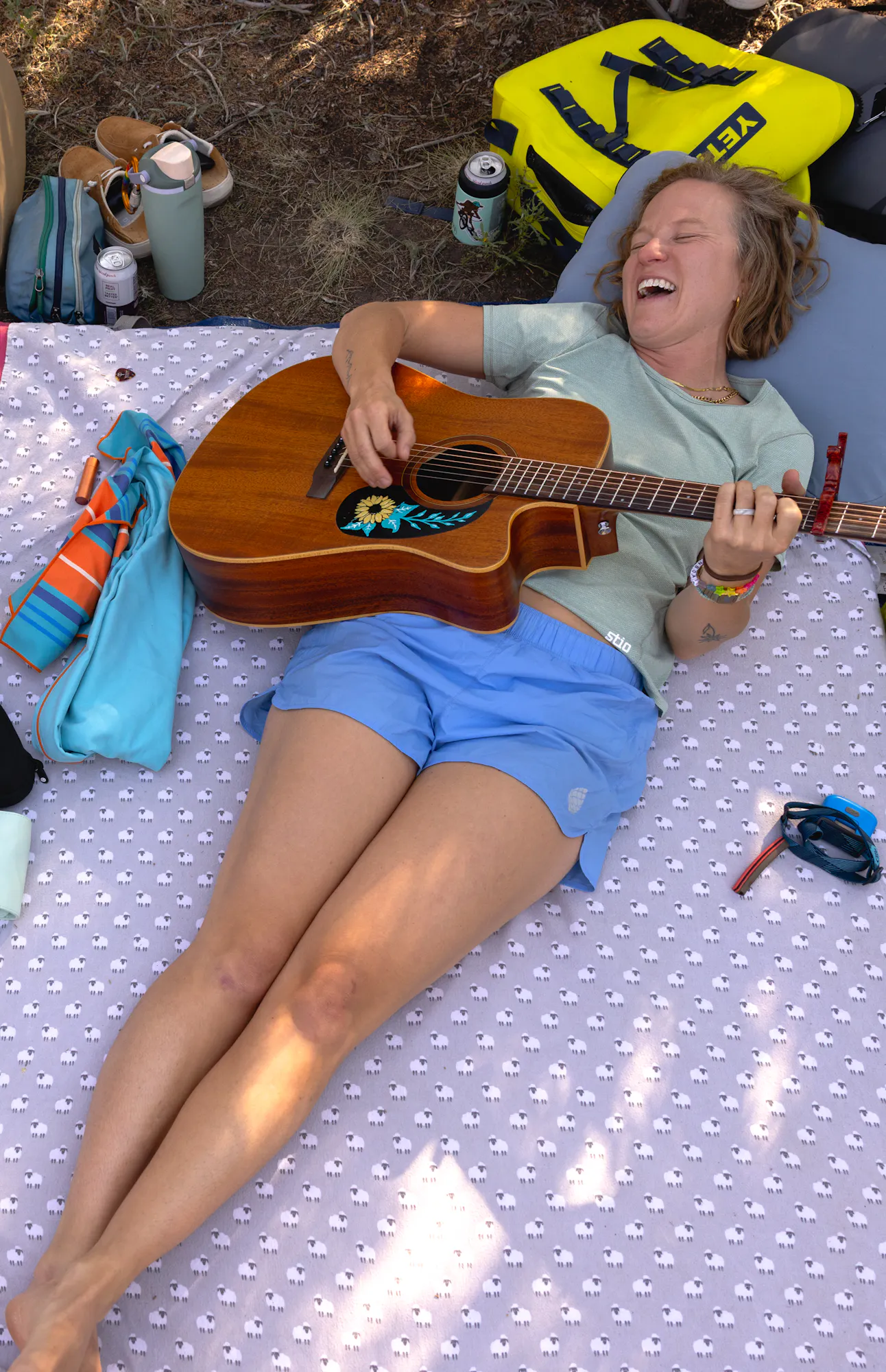
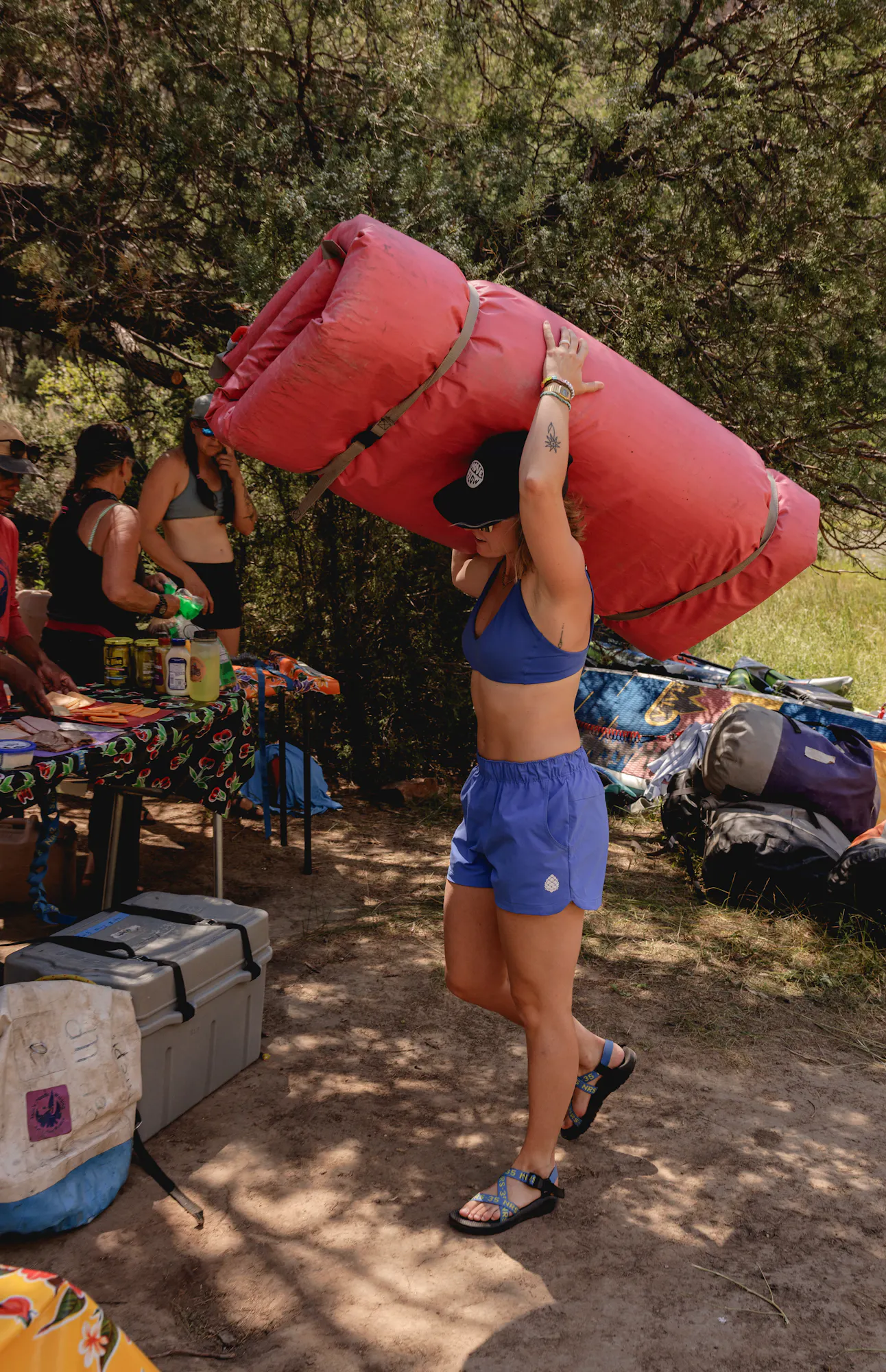
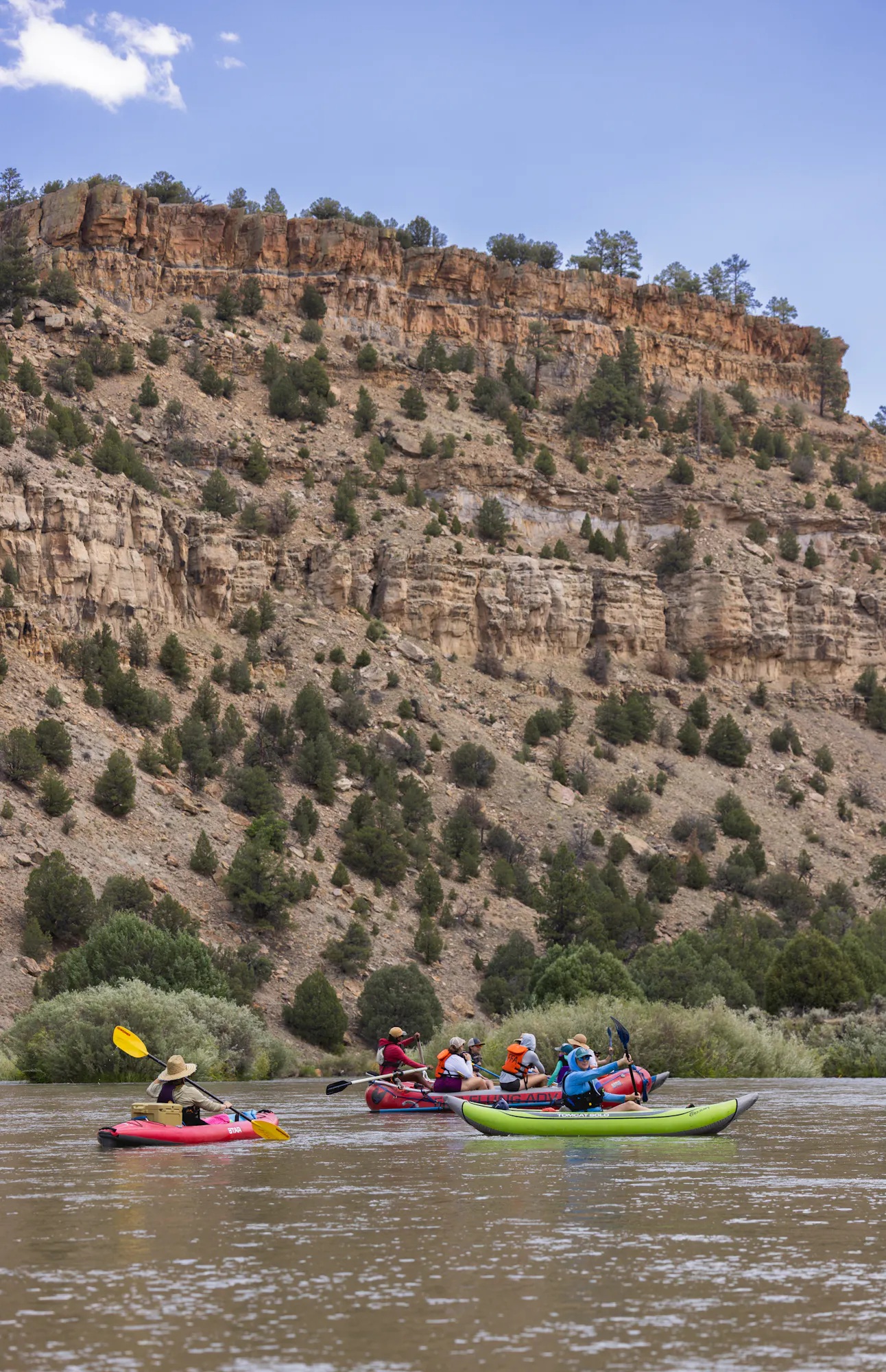
So much of our music is inspired by Mother Nature, by time spent outside, by long days in the mountains, by moments of awe and stillness that can’t be replicated indoors. Singing on the banks of the river feels like returning our songs to where they came from. Nature is no longer a backdrop; it’s a collaborator, shaping the way the music is received and felt. There’s something ancient about all of this. No tickets. No setlists. Just our voices, instruments, and an audience of friends, canyon walls, and a wide, open sky. The music isn’t performed on the river; it’s offered to it.
Traveling by river is, in my opinion, the most intimate way to experience nature. You are not passing through a landscape; you are being carried by it. Every bend reveals itself slowly. Canyon walls rise and recede. Cottonwoods lean in close. The river decides when you move, when you pause, when you listen. Where else are we met with such a direct invitation to surrender control and pay attention?
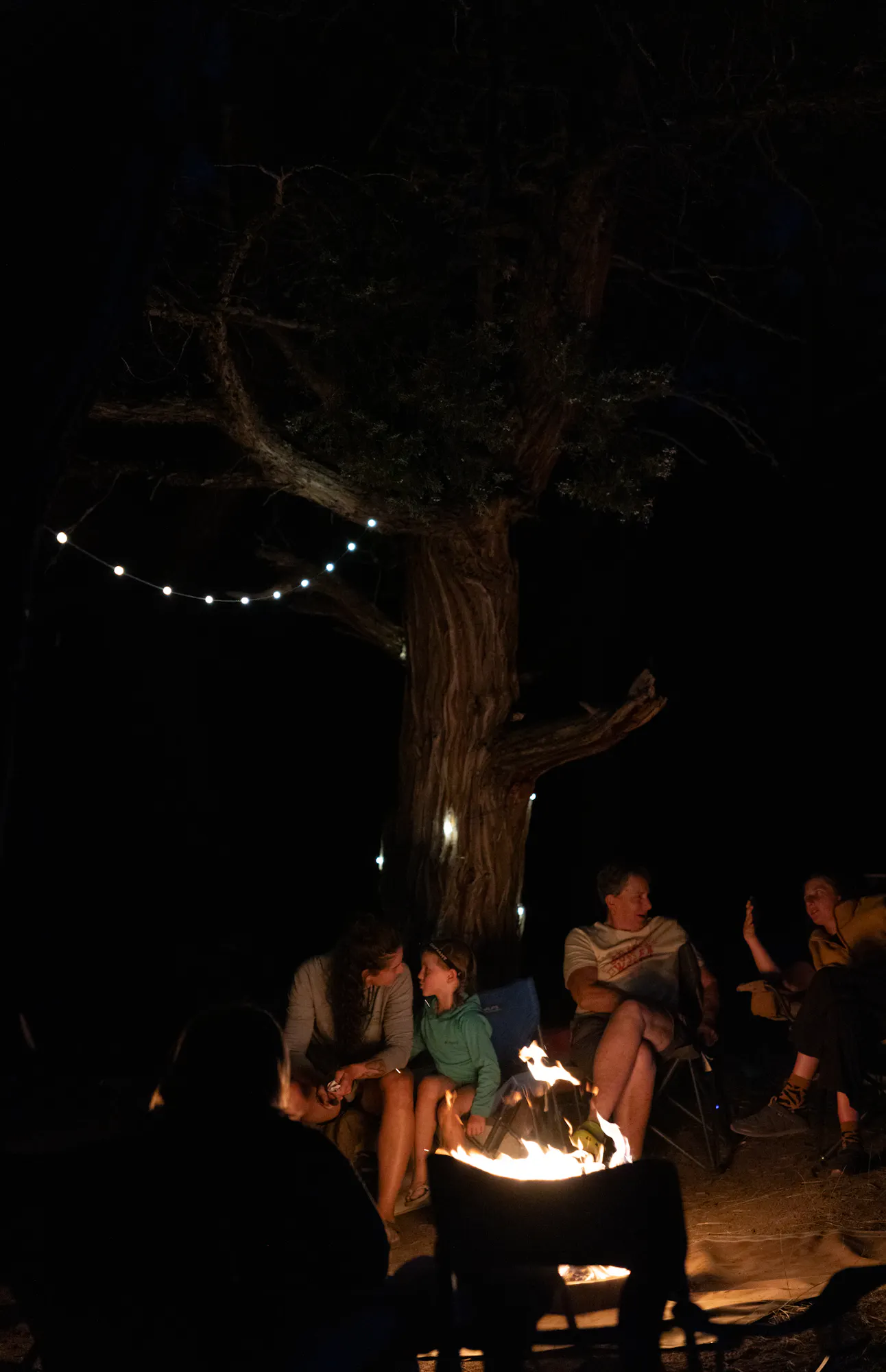
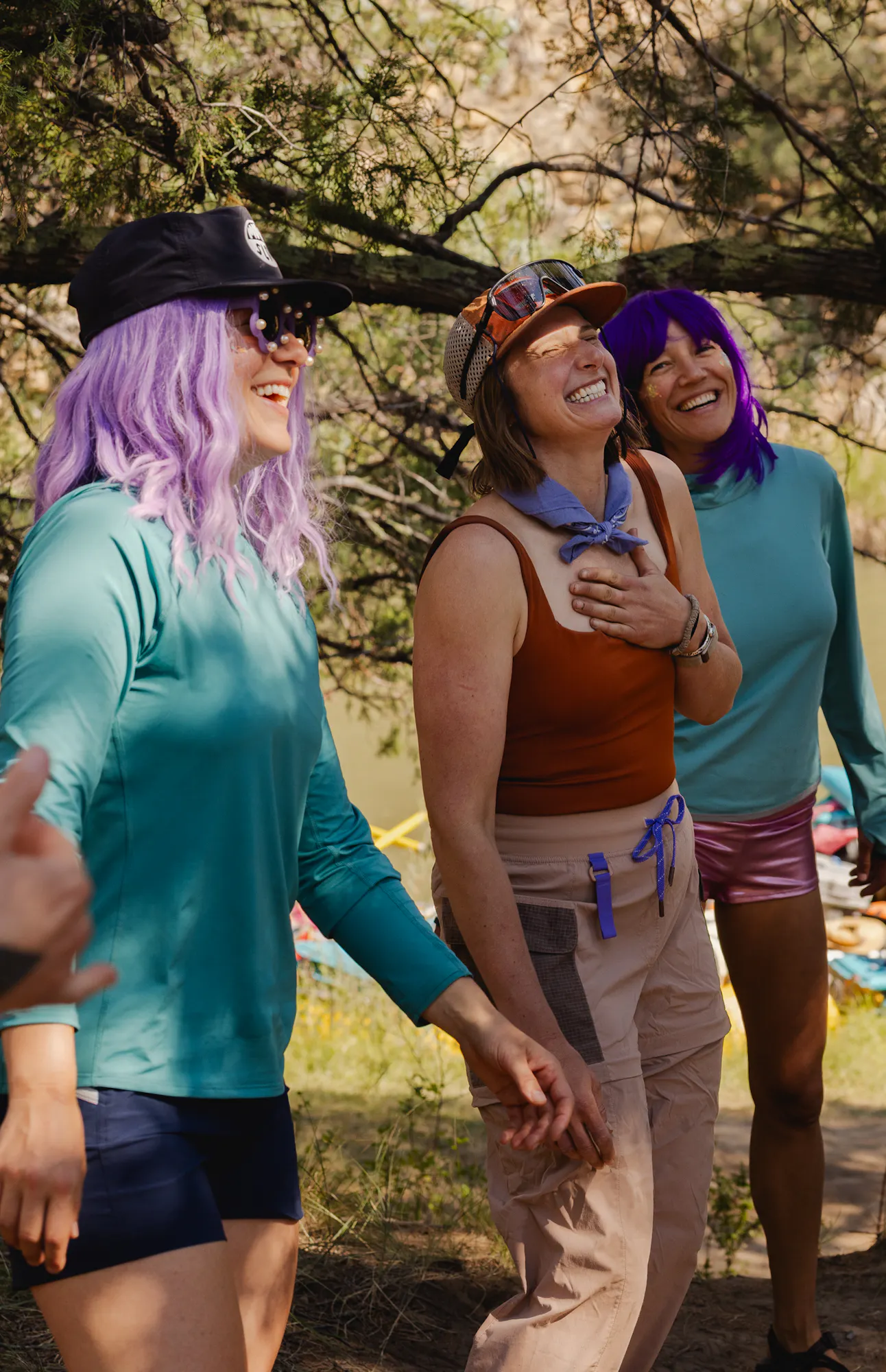
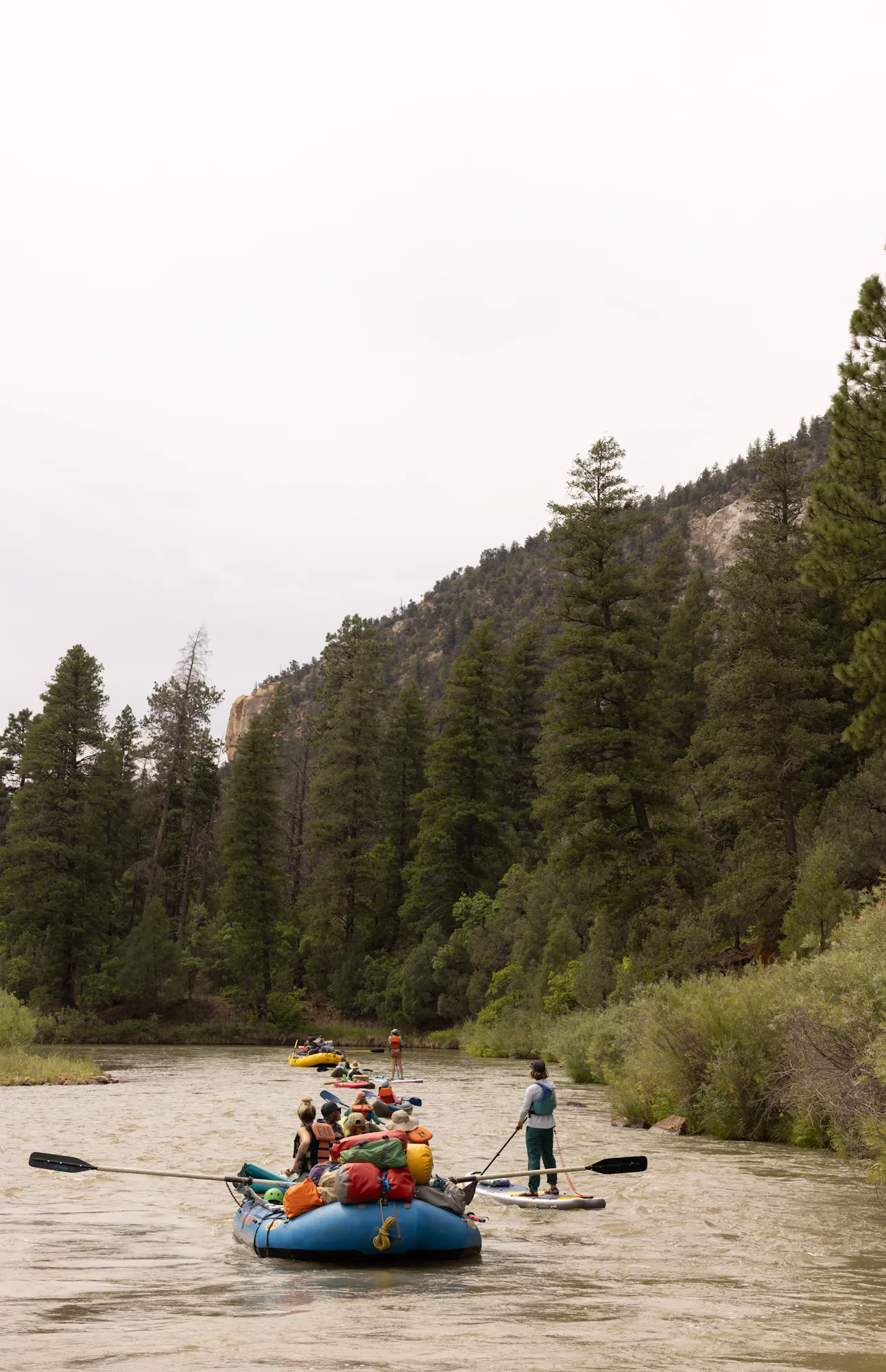
Cell service fades quickly, phones get tucked away, and the constant hum of notifications disappears. What replaces it is something far more grounding: eye contact, shared silence, long conversations that wander without needing to arrive anywhere. Being outside, in community and unplugged from technology is the greatest nervous system reset I know. The way your shoulders drop, breath deepens, and the laughter comes easier. Without screens to retreat into, we show up more fully for one another. We help set camp. We share food. We sit together as the light changes and the river keeps moving, indifferent to whatever we thought was urgent back home.
In an age of endless information and constant distraction, experiences like this feel quietly radical. The river doesn’t ask for our attention—it simply flows, steady and unhurried, reminding us that we’re allowed to move that way too. And when we step away from the noise long enough to listen, we remember something we didn’t realize we’d forgotten: how good it feels to be fully present with each other and the natural world that holds us.